Rising Oil Prices: Economic Risks for Canada Amid Middle East Conflict
Oil prices have surged to over US$100 per barrel as the conflict in the Middle East shows no signs of easing, following recent military actions by the United States and Israel against Iran. This sharp increase has prompted emergency discussions among G7 finance ministers and the International Energy Agency, with Brent crude reaching as high as US$119.50—the second-largest spike since 2010—and West Texas Intermediate climbing to US$102.
Inflation and Growth Concerns
While Canada, as an oil-trading nation, might seem poised to benefit from higher prices, economists warn that the negative impacts could outweigh the positives. Douglas Porter, chief economist at BMO Capital Markets, highlighted that the oil price spike exacerbates inflation and threatens global growth. He noted that such a shock increases the risk of stagflationary forces, combining higher inflation with weaker growth—a scenario unfavorable for markets.
Canada will face similar pressures on growth and inflation, with oil-producing provinces like Alberta, Saskatchewan, and Newfoundland & Labrador somewhat shielded. However, the rest of the country will grapple with elevated headline inflation and downward pressure on economic growth. Energy accounts for six percent of Canada's consumer price index, meaning even a temporary rise in oil prices could significantly impact inflation.

Long-Term Implications and Economic Impact
Investors are increasingly concerned that the conflict and resulting price increases may be more than temporary. Bradley Saunders, North America economist for Capital Economics, pointed out that even if high oil prices become the new normal, the effect on Canada's real gross domestic product would likely be modest. Oil and gas producers are currently operating at only three-quarters of their capacity, and pipeline constraints continue to hinder product delivery to global markets.
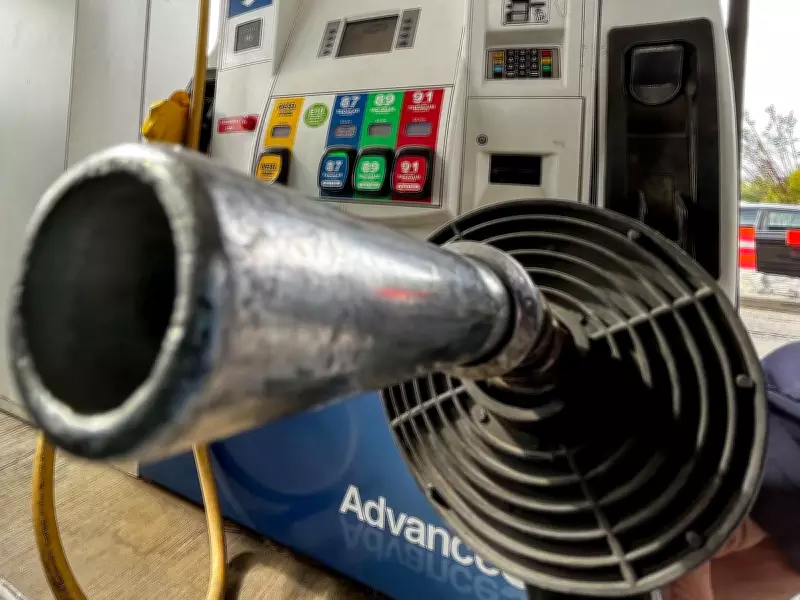
As a net energy exporter, higher earnings could boost industry investment and government tax revenues, potentially raising household incomes. However, these benefits would be offset by weaker consumption as consumers' spending power is eroded by higher gas prices. Canadians have already felt the impact, with gas prices rising up to 16 cents per litre last week due to the Iran conflict, and analysts warn that filling up could become even more expensive.
Broader Economic Effects
If the conflict persists, rising prices could extend beyond fuel to consumer goods, as shipping costs and transportation expenses like air travel increase. Saunders estimates that if oil averages around US$85 for the next three months before declining, headline inflation would rise by only 0.3 percent. However, if the situation escalates into a prolonged regional war, West Texas Intermediate would likely remain above US$100, similar to the period following Russia's invasion of Ukraine.
Market expectations for a Bank of Canada rate hike are already rising in response to these inflationary pressures. This underscores the delicate balance Canada must navigate between potential economic gains from higher oil prices and the broader risks to inflation and growth, highlighting the complex interplay of global events on domestic stability.