Spirit Airlines has announced that it is going out of business after 34 years and is ending operations immediately. The low-cost carrier, known for its no-frills service, cited insurmountable financial challenges and a rapidly changing aviation market as reasons for the sudden closure.
End of an Era
The airline, which began operations in 1992, grew to become one of the largest ultra-low-cost carriers in the United States. However, rising fuel costs, labor disputes, and increased competition from major airlines led to mounting losses. The company had been struggling for several years, with attempts to restructure or find a buyer failing to materialize.
Impact on Passengers and Employees
Thousands of passengers are now stranded, with Spirit canceling all flights effective immediately. The airline has advised customers to seek refunds through their credit card companies or travel insurance. Meanwhile, over 10,000 employees face sudden job loss, with no severance packages announced.

Industry analysts had predicted the collapse, noting that Spirit's business model became unsustainable as larger carriers matched its low fares and added premium options. The closure marks one of the largest airline failures in U.S. history.
Market Reactions
Shares of Spirit Airlines were halted on the New York Stock Exchange after plummeting 90% in pre-market trading. The airline's assets, including its fleet of over 200 Airbus aircraft, are expected to be liquidated or sold to competitors.
Experts warn that the shutdown could lead to higher fares in the budget travel segment, as remaining low-cost carriers may reduce capacity. However, some analysts see opportunities for other airlines to absorb Spirit's routes and customer base.
Government Response
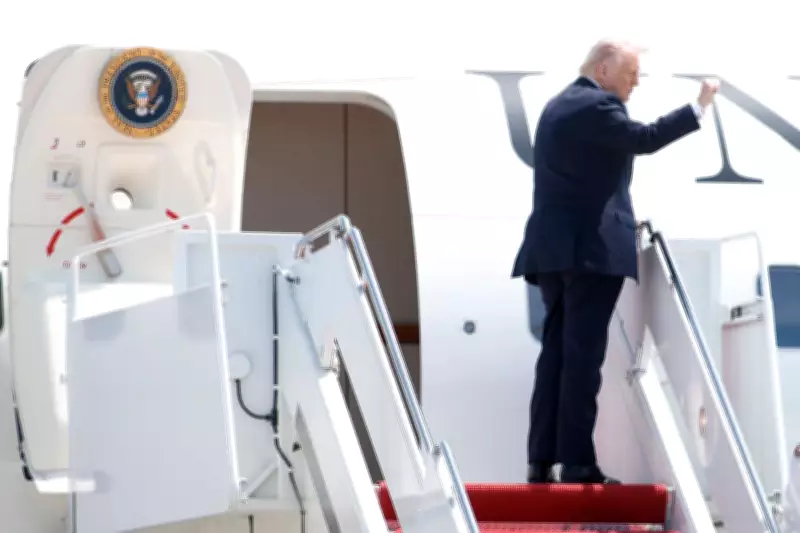
U.S. President Donald Trump indicated that a federal bailout might still be possible, stating that the administration is reviewing options to support affected workers and ensure air travel stability. However, no concrete plan has been announced.
The closure also raises questions about the future of ultra-low-cost carriers, with industry observers suggesting that the pandemic-era shift to remote work and reduced leisure travel may have permanently altered demand.