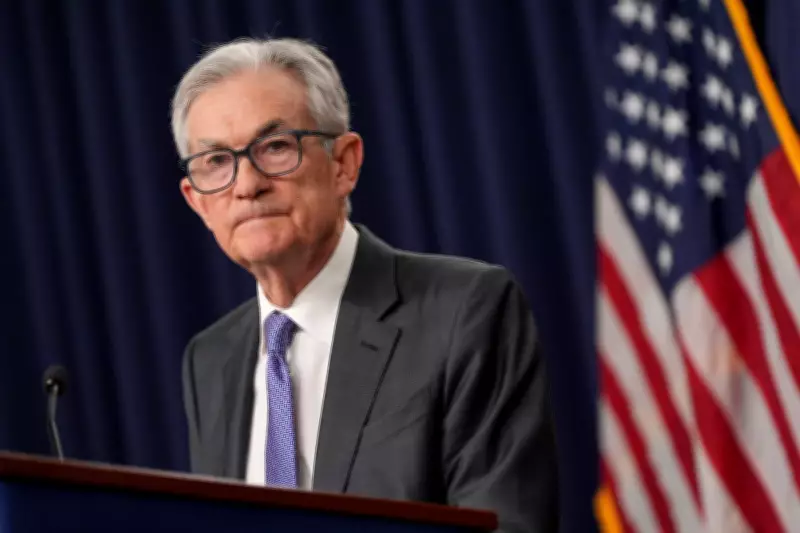
The U.S. Federal Reserve is widely expected to hold interest rates steady at its upcoming meeting, as Chair Jerome Powell prepares for what could be his final appearance before the central bank's next leadership transition. Powell, who has led the Fed through a period of aggressive rate hikes and subsequent pauses, is now facing a changing economic landscape marked by persistent inflation and geopolitical uncertainties.
Market Expectations and Economic Context
Investors and analysts are closely watching the Fed's decision, with the consensus pointing to no change in the federal funds rate, which currently stands at a range of 5.25% to 5.50%. The decision comes amid mixed economic signals: while the labor market remains robust, with unemployment at historic lows, inflation has proven stickier than anticipated, hovering above the central bank's 2% target. Additionally, recent geopolitical tensions, including the ongoing conflict in Ukraine and instability in the Middle East, have added to economic uncertainty.
Powell's Legacy and Potential Successor
Jerome Powell, appointed by President Donald Trump in 2018 and reappointed by President Joe Biden in 2022, has overseen one of the most challenging periods in modern monetary policy. His tenure has been marked by the pandemic-era stimulus, a rapid tightening cycle to combat inflation, and a delicate balancing act to avoid recession. As speculation mounts about his successor, Powell's statements at the press conference following the rate decision will be scrutinized for any hints about the future direction of policy.

Potential candidates to replace Powell include Fed Governor Michelle Bowman, known for her hawkish stance, and Lael Brainard, the current National Economic Council director, who has a more dovish reputation. The decision ultimately rests with the White House, with President Biden expected to announce his nomination later this year.
Global Implications
The Fed's rate decision will have ripple effects across global markets. A hold on rates could provide some relief to emerging economies that have struggled with capital outflows and currency depreciation. However, if the Fed signals a prolonged period of high rates, it could exacerbate financial strains in countries with high dollar-denominated debt. The Bank of Canada, which is also expected to hold its key rate this week, is similarly grappling with the economic fallout from global shocks.
Inflation and Consumer Impact
Despite the Fed's efforts, inflation remains a concern for American households. Core inflation, which excludes volatile food and energy prices, has been hovering around 3.5%, well above the target. Consumers continue to feel the pinch, with rising costs for housing, healthcare, and services. The Fed's decision to hold rates steady aims to avoid further tightening that could stifle economic growth while allowing time for previous rate hikes to fully filter through the economy.
Looking ahead, the Fed's next moves will depend on incoming data. If inflation shows signs of easing, rate cuts could be on the horizon in the latter half of 2026. However, any resurgence in price pressures could force the central bank to resume tightening. For now, the message from the Fed is one of caution and patience, as Powell prepares to hand over the reins to a new leader.