U.S. Wholesale Prices Surge in March as Iran War Drives Up Energy Costs
The Labor Department reported on Tuesday that the producer price index, which measures inflation before it reaches consumers, increased by 0.5% from February and 4% from March 2025. This year-over-year gain marks the largest rise in over three years, primarily driven by a significant 8.5% surge in energy prices from the previous month.
Core Producer Prices Show Modest Increase
Excluding volatile food and energy prices, core producer prices rose a modest 0.1% from February and 3.8% from a year earlier. Despite the overall surge, these gains were smaller than economists had forecast, indicating some stability in underlying inflation trends.
Federal Reserve Faces Inflation Challenges
The surge in wholesale prices complicates the work of inflation fighters at the Federal Reserve, who are under intense pressure from President Donald Trump to lower the benchmark interest rate. However, some Fed policymakers are considering raising rates instead, as higher energy costs increase the inflation threat, creating a delicate balancing act for monetary policy.

Food Prices Decline After Previous Surge
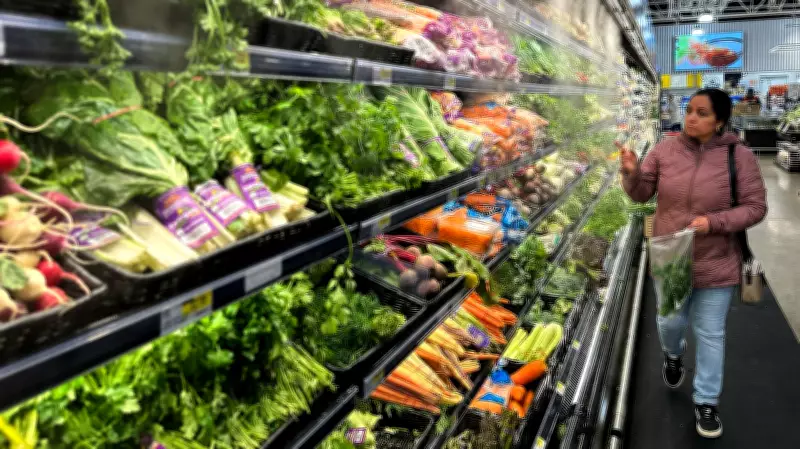
Food prices, a key issue likely to feature prominently in next year's midterm elections, fell by 0.3% in March after surging by 2.4% in February. This decline provides some relief for consumers, though affordability remains a central political concern.
Wholesale Prices as an Inflation Indicator
Wholesale prices offer an early look at where consumer inflation might be headed. Economists closely monitor this index because components such as health care and financial services flow into the Fed's preferred inflation gauge, the personal consumption expenditures price index.
Consumer Prices Also Rise Sharply
Last week, the Labor Department reported that soaring gasoline prices pushed consumer prices up 3.3% in March from a year earlier, the biggest year-over-year increase since May 2024. Compared to February, March consumer prices jumped 0.9%, the largest gain in nearly four years.
Iran War Impacts Global Oil Demand
The war in Iran is expected to lead to an annual decline in oil demand for the first time since the pandemic, according to a forecast by the International Energy Agency. The agency revised its forecast from an increase of 850,000 barrels a day to a decrease of 80,000 barrels a day this year, with a particularly severe drop-off in March due to attacks on energy infrastructure and the shutdown of the Strait of Hormuz.
Demand Destruction Spreads Globally
While the biggest cuts in oil usage have initially come from the Middle East and Asia Pacific region, demand destruction is anticipated to spread as oil prices increase and scarcity continues, further impacting global energy markets and inflation pressures.