Federal Gas Tax Reduction Elicits Mixed Feedback from Winnipeg Motorists
A temporary cut to the federal gas tax, announced by the Carney government to start next week, has generated a spectrum of responses from drivers in Winnipeg. While some residents view the measure as a modest but welcome relief at the pump, others remain skeptical about its long-term benefits, citing broader economic concerns.
Drivers Weigh In on the Tax Cut
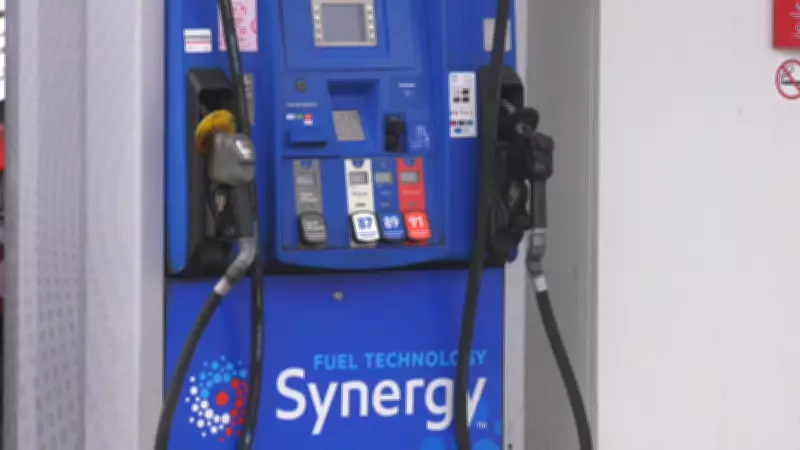
At local fuel stations, opinions varied widely. One driver remarked, "It's better than a kick in the head," highlighting a sense of gratitude for any reduction in costs. However, not all shared this optimism. Another motorist expressed doubts, stating, "Every little bit helps, but I'm not sure if this will make a real difference with everything else going up." This sentiment reflects ongoing anxieties about inflation and living expenses that extend beyond fuel prices.
Context of the Policy Announcement
The tax suspension comes amid a series of federal initiatives, including the upcoming spring economic update scheduled for April 28. Prime Minister Carney, entering his majority era, has indicated no plans for an early election, focusing instead on economic measures. This gas tax cut is positioned as a short-term strategy to alleviate financial pressure on consumers, though critics argue it may not address deeper structural issues in the energy sector.

Broader Implications and Public Sentiment
Beyond immediate reactions, the policy has sparked discussions about its effectiveness in providing sustained relief. Some experts suggest that while the cut could lower prices temporarily, factors like global oil market fluctuations and provincial taxes might dilute its impact. Public opinion in Winnipeg appears divided, with many appreciating the gesture but calling for more comprehensive solutions to tackle rising costs of living.
As the tax reduction takes effect, its real-world effects on household budgets and overall economic sentiment will be closely monitored. For now, Winnipeg drivers continue to navigate the complexities of fuel affordability, with this federal move adding another layer to the ongoing dialogue about government intervention in consumer affairs.