On the shores of Lake Michigan, a historic energy experiment is underway. Hundreds of workers are attempting a feat never before accomplished in the United States: restarting a nuclear power plant that was fully decommissioned. The Palisades plant, shut down in May 2022 after its former owner deemed it no longer economically viable, has become the unlikely symbol of a dramatic atomic energy resurgence sweeping the nation.
The Driving Forces Behind the Nuclear Comeback
This revival is being propelled by two powerful economic currents. First, an explosion in power demand from data centers required for artificial intelligence is straining electricity grids. Second, a wave of manufacturing reshoring is further increasing consumption. Big Tech companies, including Microsoft and Google, are actively seeking reliable, carbon-free power and have signed long-term agreements to support the reopening of shuttered nuclear facilities in states like Iowa and Pennsylvania.
Michael Lee, a 58-year-old former control room operator with over two decades at Palisades, has come out of retirement to help with the restart. He recalls the frustration when the plant, which was operating well, closed due to market forces like cheap natural gas from fracking. "It was shut down for reasons out of our control," Lee says, highlighting the sudden shift in the industry's fortunes.

Political Ambition and Massive Investment
The momentum has captured the attention of the highest political office. Former President Donald Trump has pledged to slash regulations and invest tens of billions of dollars to both reopen old plants and build new fleets of reactors. He frames this as essential to "win" the global AI race and has set a staggering goal of quadrupling U.S. nuclear capacity by 2050.
Significant financial moves are backing this ambition. In October 2024, Washington entered into an US$80 billion partnership with private equity giant Brookfield and reactor designer Westinghouse to kick-start the construction of eight large-scale nuclear plants. Furthermore, private investment in startups developing smaller, next-generation reactors hit a record US$3 billion in 2023. Tech behemoth Amazon has also entered the fray, buying a stake in reactor developer X-energy.
Challenges and Unprecedented Moves
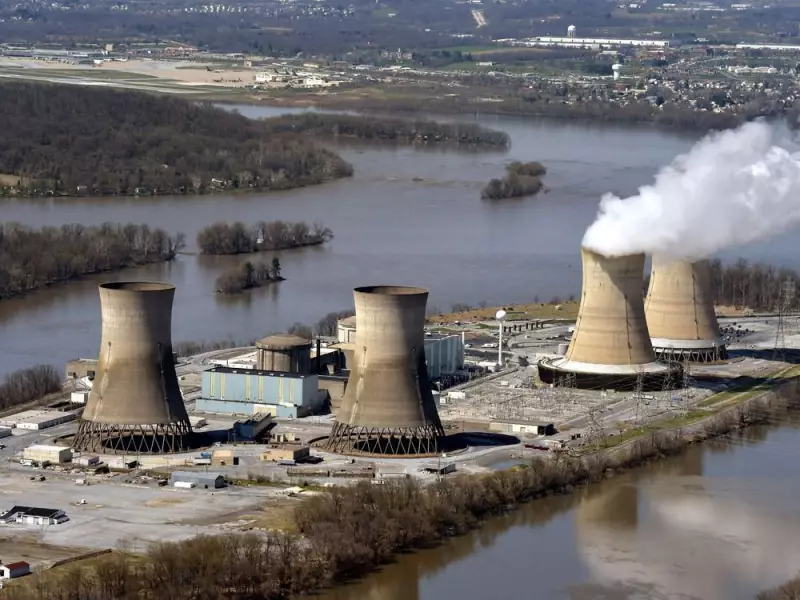
The scale of the proposed nuclear expansion is immense, requiring hundreds of new plants to meet the 2050 target. The industry also faces the challenge of restarting plants with complex histories. Among them is Three Mile Island in Pennsylvania, the site of the worst nuclear accident in U.S. history, which has secured a US$1 billion loan from the Trump administration for its revival.
While the push for Small Modular Reactors (SMRs) offers a more flexible alternative—providing a third or less of the power of traditional plants—their widespread deployment remains in early stages. X-energy, for instance, has agreements to support the construction of 144 SMRs in the U.S. and U.K.
The race to power the AI future with nuclear energy is officially on, marked by unprecedented investment and political will. However, the technical, financial, and regulatory hurdles ahead leave many observers questioning whether the revival's most ambitious goals are ultimately achievable.