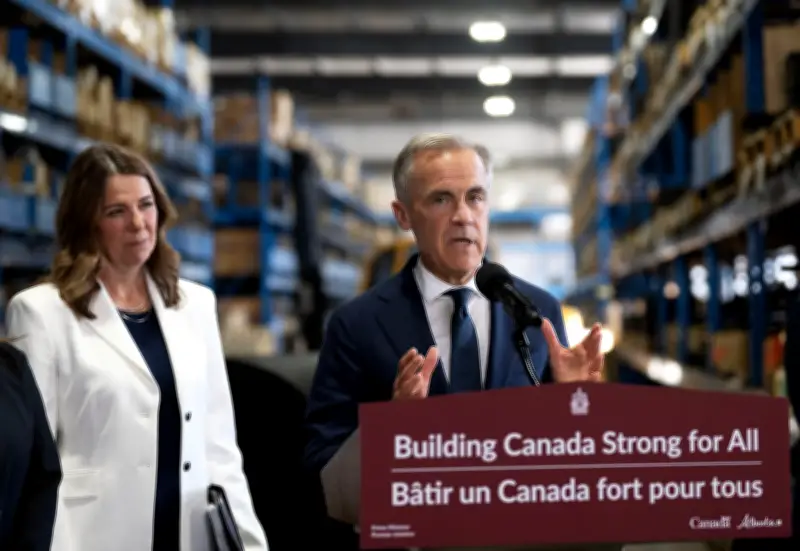
Alberta Premier Danielle Smith has defended the proposed Alberta pipeline route, citing 'key advantages' even as industry experts question the project's shipping economics. The pipeline, added to the major projects list under Prime Minister Mark Carney's new measures to bolster Alberta's energy sector, has sparked debate over its viability.
Smith Highlights Strategic Benefits
Speaking on July 2, 2026, Smith argued that the route provides critical access to new markets and infrastructure. 'This pipeline strengthens Alberta's position in the global energy landscape,' she stated, according to Edmonton News. The premier emphasized that the project aligns with long-term economic goals, despite skepticism from some analysts about cost-effectiveness.
The announcement follows Carney's move to fast-track the pipeline as part of a broader strategy to support the province's energy industry. The federal government has not disclosed specific financial projections for the project.

Economic Concerns Persist
Critics point to fluctuating oil prices and high transportation costs as potential drawbacks. 'The economics don't add up without significant subsidies,' said an energy analyst quoted by Edmonton News. However, Smith dismissed these concerns, noting that the route avoids environmentally sensitive areas and reduces reliance on existing infrastructure.
The pipeline is expected to create thousands of jobs during construction, though no timeline has been set. Environmental groups have also raised objections, citing potential risks to water sources and wildlife habitats.
Political and Public Reaction
The proposal has divided opinion in Alberta, with some residents supporting it as a boost to the economy, while others worry about environmental impact. The debate comes amid ongoing discussions about energy independence and separation from Canada. Smith's government has pledged to ensure the project meets safety and environmental standards.
As of now, no formal approval has been granted, but the inclusion on the major projects list signals federal backing. The next steps involve regulatory reviews and consultations with Indigenous communities.