Alberta's Lost Decade Under Trudeau Continues to Haunt Canadian Economy
As global conflicts over oil resources intensify, Canada is forced to confront the lingering consequences of what many describe as a self-imposed lost decade during Justin Trudeau's Liberal government. The economic policies of that era continue to cast a long shadow over Alberta and the nation's financial stability.
The Resource Curse and Alberta's Budget Realities
Possessing substantial oil reserves presents both opportunities and challenges for any economy. Alberta's recent budget illustrates the precarious nature of resource dependency, comparing it to bull riding—thrilling while it lasts, but inevitably leading to a difficult fall. Despite these inherent challenges, the energy sector remains Canada's most significant economic engine, with no other industry coming close to matching the revenue generated by oil and gas exports.
The Trudeau government's approach to Alberta's energy industry did little to support this crucial sector. Instead, policies were implemented that hampered development and growth, creating lasting damage that continues to affect both provincial and national economies today.

Canada's Growing Economic Concerns
Ottawa is finally awakening to the reality that Canada is gradually approaching financial instability. This troubling realization stems from the nation's excessive dependence on the United States as its primary energy market, a strategy that is now revealing significant vulnerabilities.
The situation has reached a critical point where diversification has become essential for economic survival. While international conflicts provide convenient justifications for military actions—such as the current bombardment of Iran under the guise of nuclear non-proliferation—the economic consequences of these global tensions directly impact Canada's energy strategy.
Global LNG Dynamics and Missed Opportunities
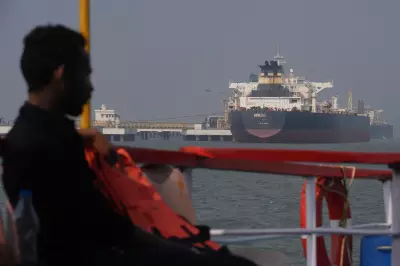
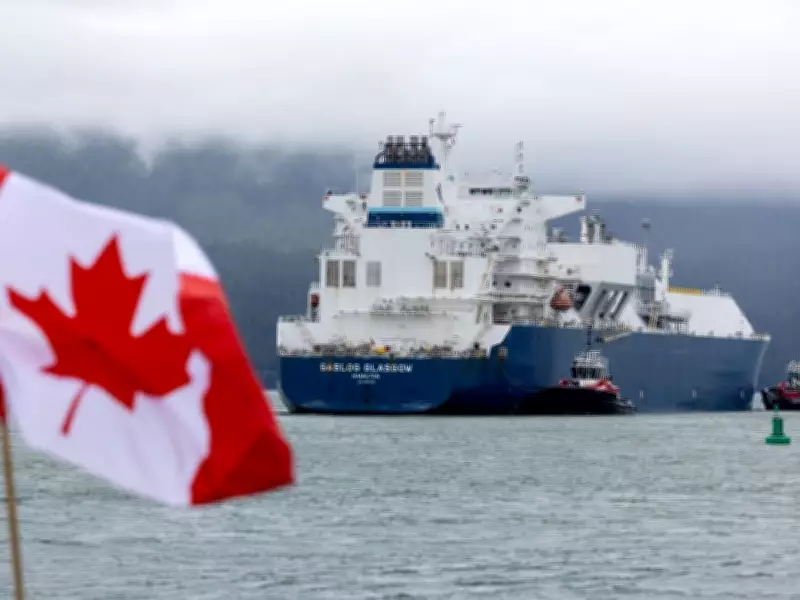
Recent developments in the liquefied natural gas market highlight Canada's missed opportunities. The arrival of the Maran Gas Hector tanker in Saint John, New Brunswick—after traveling 25,750 kilometers from Australia—marked the first LNG shipment to reach Eastern Canada's shores. This event occurred as Qatar, one of the world's largest LNG producers, faced production halts due to Iranian drone attacks, causing price spikes as Europe consumes record amounts of the fuel.
The United States has been quick to capitalize on these market conditions, sending supplies across the Atlantic to benefit from premium prices that starkly contrast with the lower rates paid in North America. Meanwhile, thanks to policies established during Trudeau's tenure, Alberta's natural gas continues to flow primarily to U.S. markets, leaving billions of dollars in potential revenue unrealized.
Historical Context and International Relations
Some may recall Trudeau's 2022 meeting with German Chancellor Olaf Scholz, when Europe desperately sought natural gas alternatives following sanctions against Russia. This moment represented a significant opportunity for Canada to expand its energy exports beyond North America, yet the potential remained largely untapped.
The comparison with other nations is telling. North Korea faced no similar military intervention as it developed nuclear weapons, nor did the U.S. attempt to extract Cuban leaders from secure locations as it did with Venezuela's ruler. These geopolitical inconsistencies underscore how energy resources create complex international dynamics that Canada has struggled to navigate effectively.
The financial implications of Canada's current energy strategy represent what many consider a national disgrace. As the country slowly recognizes its precarious economic position, the lessons from Alberta's lost decade under Trudeau's government serve as a cautionary tale about the dangers of overreliance on single markets and the importance of strategic energy diversification for long-term prosperity.