Alberta's Orphan Well Levy Criticized as Inadequate, Shifting Costs to Taxpayers
The Alberta Energy Regulator has set its latest orphan well levy for the 2026/27 fiscal year at $154.56 million, a figure that critics argue continues a troubling pattern of underfunding the Orphan Well Association. This levy, announced quietly on March 31, comes just days after the AER revealed more than 4,000 new orphan sites from Long Run Exploration's bankruptcy proceedings, highlighting a growing environmental and financial crisis.
Record High Orphan Wells and Escalating Cleanup Costs
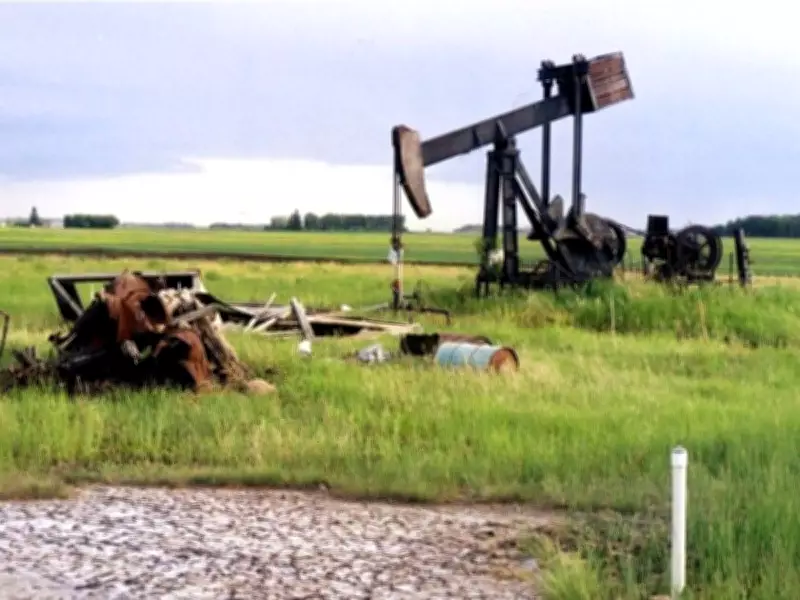
According to the Orphan Well Association's 2024/25 annual report, the number of orphan wells in Alberta increased by a staggering 97 per cent last year, reaching a record high of 3,388 wells. The estimated cleanup costs for these sites stand at $1.12 billion, a financial burden that threatens to overwhelm current funding mechanisms. The levy, which is applied annually to oil and gas companies across Alberta, is designed to ensure the industry shares cleanup costs when companies go bankrupt, theoretically protecting ordinary Albertans from footing the bill.
However, the latest levy increase of just $10 million represents only a seven per cent rise in funding, despite the near-doubling of orphan wells. This discrepancy means cleanup efforts will be delayed, potentially transferring more costs to taxpayers through government compensation programs for landowners.

Industry Profits Versus Public Responsibility
The contrast between industry profitability and public costs is stark. For example, Canadian Natural Resources Limited reported profits of $10.8 billion in 2025, enough to clean up every orphan site in Alberta and still retain over $9 billion in earnings. This example underscores concerns that the AER is prioritizing minimizing costs for the oil and gas sector over protecting taxpayers and the environment.
In May of last year, the Coalition for Responsible Energy launched an unprecedented challenge against the AER's orphan well levy, arguing that the regulator's unrealistically low assessments maximize risks to taxpayers, landowners, and ecosystems. The coalition's action highlights growing frustration with what many see as systemic underfunding of environmental obligations.
Taxpayer Burden and Landowner Impacts
When oil and gas companies fail to compensate landowners for lost land use due to orphan wells, those landowners can apply for government coverage, effectively shifting costs to taxpayers. Since 2010, Albertans have already paid $150 million on behalf of delinquent companies, a number expected to climb as underfunding persists. The longer orphan sites remain unreclaimed, the higher the eventual taxpayer burden becomes, creating a cycle of deferred responsibility.
The recent addition of over 4,000 wells from Long Run Exploration, announced on April 9, nearly doubles the current orphan inventory and makes the $154.56 million levy appear even more insufficient. Long Run's receivership is not an isolated case; the AER identifies 94 oil and gas companies in Alberta as being in "high financial distress," with $1.75 billion in unpaid cleanup liabilities that could soon enter the orphan well system.
Broader Implications for Alberta's Economy and Environment
This situation poses significant risks to Alberta's economy and environmental health. Inadequate funding delays site reclamation, which can lead to soil and water contamination, reduced land productivity, and long-term ecological damage. Moreover, the financial instability of numerous companies suggests that the orphan well inventory may continue to grow, exacerbating the funding shortfall.
The AER's approach to the orphan well levy reflects broader tensions between industry interests and public accountability in Alberta's energy sector. As cleanup costs mount and taxpayer exposure increases, calls for more robust funding mechanisms and stricter regulatory oversight are likely to intensify, challenging the province to balance economic growth with environmental stewardship and fiscal responsibility.