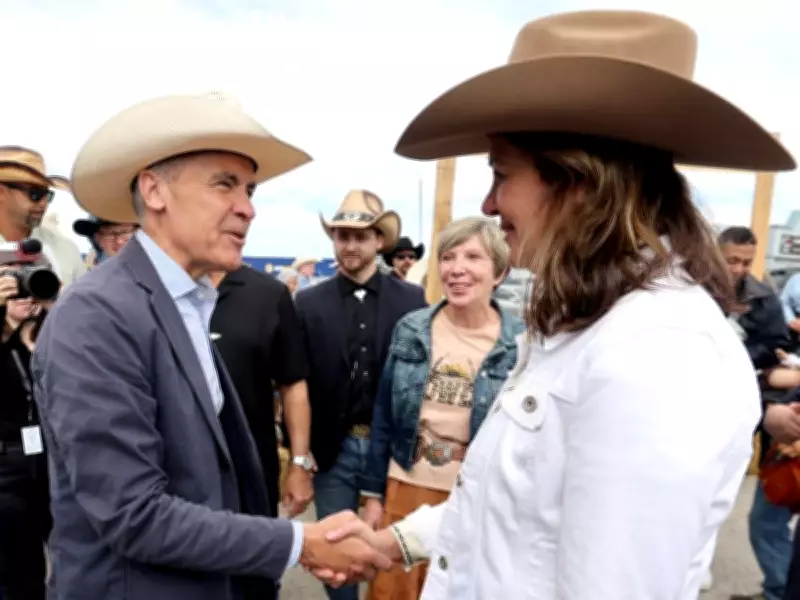
In a political landscape fraught with tension, the prospect of a new oil pipeline in Alberta remains a distant dream, despite high-level agreements between federal and provincial leaders. Prime Minister Mark Carney and Premier Danielle Smith have signed a memorandum of understanding aimed at facilitating energy development, yet industry players are conspicuously absent from the table, casting doubt on the project's viability.
The Political Game and Its Stakes
Politicians across the spectrum are engaged in a dangerous charade, perpetuating the illusion that a company will step forward to invest billions in a pipeline doomed to fail. This performance is not merely for show; it has profound implications for Canada's future. The timing is critical, as this political theater must sustain itself until after a potential Alberta separation vote later this year.
Currently, separatist support in Alberta hovers in the low 20 percent range, insufficient to secure independence but enough to trigger a referendum. If the much-touted energy agreement collapses before that vote, support for separation could surge toward 40 percent, placing Canada's unity in jeopardy overnight.

The Industry's Cold Shoulder
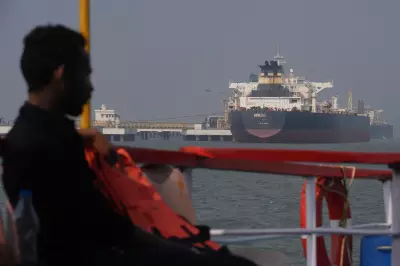
While politicians tout progress on minor issues, the pipeline project—envisioned to pump Alberta crude to British Columbia's northern coast for Asian exports—serves as the true litmus test. However, industry leaders are not buying into the hype. Enbridge CEO Greg Ebel recently made it clear to investors that his Calgary-based company has no intention of wasting resources on such a venture, a stance that resonated positively in the stock market.
This industry disinterest underscores the reality: for the foreseeable future, the pipeline is as dead as the last dodo. Politicians, however, have their own reasons to maintain the pretense. The federal Liberals may be biding time until a snap summer election to secure a parliamentary majority before any referendum disrupts the status quo.
A Path to Separation?
In Alberta, the United Conservative Party (UCP) continues the pipeline charade to demonstrate its efforts at negotiation. When the deal inevitably falls apart, it could provide Premier Smith with the political cover to reluctantly endorse an independence vote, framing it as the only remaining option. This scenario would dramatically alter the national landscape, turning a theoretical debate into a tangible crisis.
Many Albertans, long frustrated by perceived federal disdain, are currently supporting Smith's collaboration with Carney in the hope of mutual benefit. Yet, if the pipeline project collapses acrimoniously, that support could quickly evaporate, fueling separatist fervor.
The Broader Implications
The stakes extend beyond provincial borders, touching on core issues of national unity and economic strategy. As politicians play their dangerous game, the unvarnished truth from industry leaders like Ebel offers a sobering counterpoint. Investors applaud fiscal prudence, while citizens grapple with the potential fallout.
In this high-stakes environment, the pipeline dream serves as a symbol of deeper divisions. Whether it leads to renewed cooperation or accelerates separatist momentum remains to be seen, but one thing is clear: the political charade cannot mask the harsh realities of industry disinterest and economic feasibility.