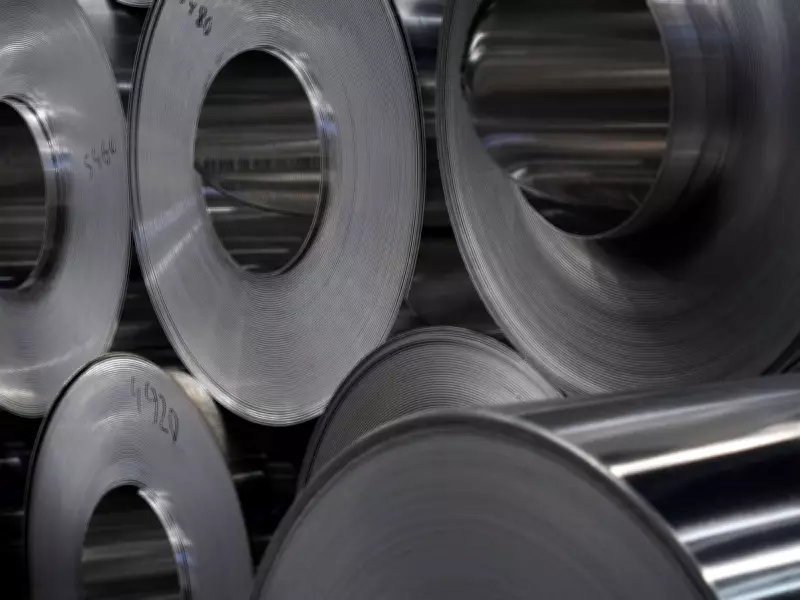
Aluminum Markets Experience Sharpest Monthly Surge in Eight Years
The global aluminum market is witnessing its most significant monthly price increase since April 2018, with prices exceeding US$3,500 per ton on the London Metal Exchange. This represents a remarkable gain of more than 12 percent for March, contrasting sharply with broader downtrends observed across other base metals during the same period.
Middle East Conflict Disrupts Critical Supply Chains
The ongoing hostilities in the Middle East, particularly involving Iran, Israel, and the United States, have created substantial disruptions to aluminum production and export capabilities. Approximately one-tenth of global aluminum production originates from the Persian Gulf region, which serves as a major source of primary metal for international markets.
The closure of the Strait of Hormuz has severely curtailed export routes, while Iranian drone and missile strikes have directly impacted production facilities operated by key regional producers. Both Aluminium Bahrain BSC and Emirates Global Aluminium PJSC have sustained damage to their plants, though the full extent remains unclarified by company officials.

Potential Long-Term Production Impacts
Analyst Bernard Dahdah from Natixis SA has provided a concerning assessment of the situation at EGA's Al-Taweelah facility, which boasts an annual capacity of 1.6 million tons. Dahdah suggests that if the plant has suffered significant damage leading to an uncontrolled shutdown, the resulting solidification of metal in smelting circuits could cause lasting damage requiring at least one year to repair.
This scenario could potentially transform the aluminum market from a projected surplus of 200,000 tons to a substantial deficit of approximately 1.3 million tons in the coming year. The uncertainty surrounding production capabilities has created significant volatility in global supply-demand balances.
Regional Concentration Creates Market Vulnerability
The Persian Gulf's concentration of aluminum production has made global markets particularly vulnerable to regional disruptions. Most primary metal produced in the area is exported internationally, meaning supply interruptions have immediate global consequences.
These disruptions have already triggered soaring premiums in alternative markets including Japan, while prompting increased orders for Chinese aluminum products. China maintains its position as the dominant global producer, but regional supply constraints are reshaping international trade patterns.
Broader Metals Market Impact
While aluminum experiences dramatic gains, other base metals present a mixed picture. Copper, zinc, and nickel are all heading for monthly declines as the conflict elevates energy costs and raises concerns about global economic growth prospects.
Copper prices remained relatively stable at approximately US$12,213 per ton but are down more than eight percent for March, representing the most significant monthly loss since June 2022. The war's impact on energy markets and broader economic uncertainty continues to influence investor sentiment across the commodities sector.
Market Response and Future Outlook
Three-month aluminum contracts on the London Metal Exchange reached US$3,518 per ton, reflecting a 3.4 percent increase during Tuesday trading. Market observers continue to monitor developments in the Middle East closely, as any resolution or escalation could dramatically alter supply projections and price trajectories.
The aluminum market's sensitivity to geopolitical developments in the Persian Gulf underscores the interconnected nature of global commodity markets and regional stability. As production uncertainties persist, analysts anticipate continued volatility with potential long-term implications for manufacturing sectors worldwide that depend on consistent aluminum supplies.