Canadian Consumers Confront Another Sharp Surge in Fuel Costs
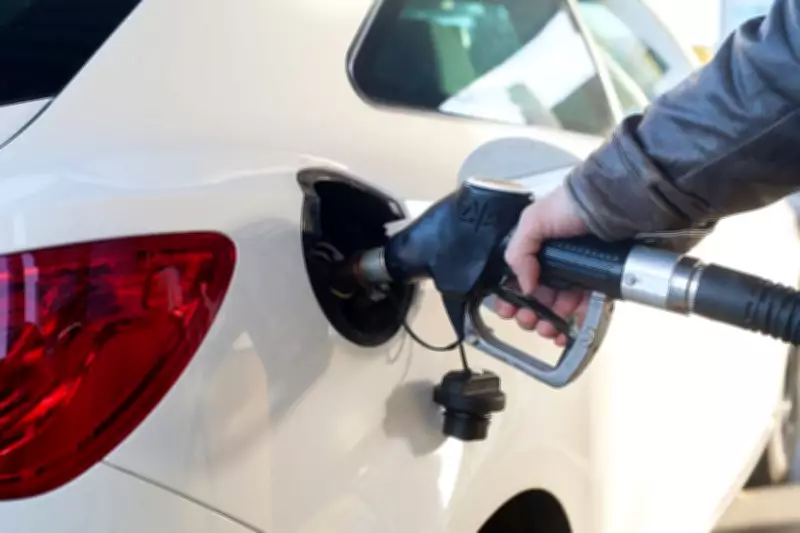
Canadian motorists are experiencing yet another dramatic jump in gasoline prices at the pumps, adding to the financial strain on households across the nation. This latest spike follows a pattern of volatility in global oil markets, which continues to impact domestic fuel costs significantly.
Global Factors Drive Domestic Price Hikes
Business analysts emphasize that the reopening of the Strait of Hormuz is critical for achieving lower oil and gas prices. As one expert noted, "Oil is the thing that greases the wheels of the economy," highlighting how rising fuel costs can ripple through various sectors, increasing transportation expenses and affecting consumer goods pricing.
Recent developments include G7 nations holding off on releasing emergency oil reserves despite surging gas prices, a decision that may prolong elevated costs for consumers. This cautious approach reflects complex geopolitical considerations and supply chain dynamics influencing global crude availability.

Broader Economic Context and Regional Impacts
The fuel price increase occurs alongside other economic news, such as Canada's economy performing "surprisingly OK" to start 2026, according to economists. However, households are feeling the pinch, with reports of significant jumps at the pumps in provinces like Nova Scotia and Prince Edward Island.
Meanwhile, Suncor has announced plans for a major shift in focus to in situ oil sands output by 2040, indicating long-term strategic changes in the energy sector that could eventually influence domestic fuel production and pricing structures.
Consumer Adaptation and Future Outlook
As Canadians navigate these rising costs, attention is turning to how consumers might adapt their spending and travel habits. The situation underscores the interconnectedness of global energy markets and local economies, with fuel expenses remaining a sensitive indicator of broader inflationary pressures.
Analysts will be monitoring whether price relief materializes in coming months, particularly if geopolitical tensions ease or if alternative energy investments gain momentum. For now, drivers are advised to budget carefully for transportation costs, as volatility in oil markets shows little sign of abating in the near term.