Urgent Action Needed: Repealing the West Coast Tanker Ban for Economic Growth
In a significant move to bolster Canada's energy sector, a bill has been introduced in the House of Commons calling for the repeal of the West Coast tanker ban. This legislative push aims to facilitate increased crude oil exports to Asian markets, aligning with the federal government's stated goals under Prime Minister Mark Carney's administration.
Government Support for Pipeline Expansion
The initiative follows a memorandum of understanding signed by the governments of Canada and Alberta in November, which explicitly supports enabling bitumen exports from a strategic deep-water port to Asian markets. This MOU hints at potential adjustments to the Oil Tanker Moratorium Act, signaling a shift in policy direction. However, critics argue that despite such announcements, concrete action has been lacking, raising concerns about the government's commitment to actualizing these plans.
Economic Imperatives and Market Access
Canada's need to expand its crude oil export capacity is driven by growing demand in Asian economies like India, Indonesia, Singapore, South Korea, and Japan. Enhancing pipeline infrastructure to the West Coast is crucial for accessing these markets, which are central to the prime minister's trade relationship strategies. Repealing the tanker ban is seen as a vital step in this process, removing regulatory barriers that currently hinder oil shipments from Canadian ports.

Safety Record and Regulatory Inconsistencies
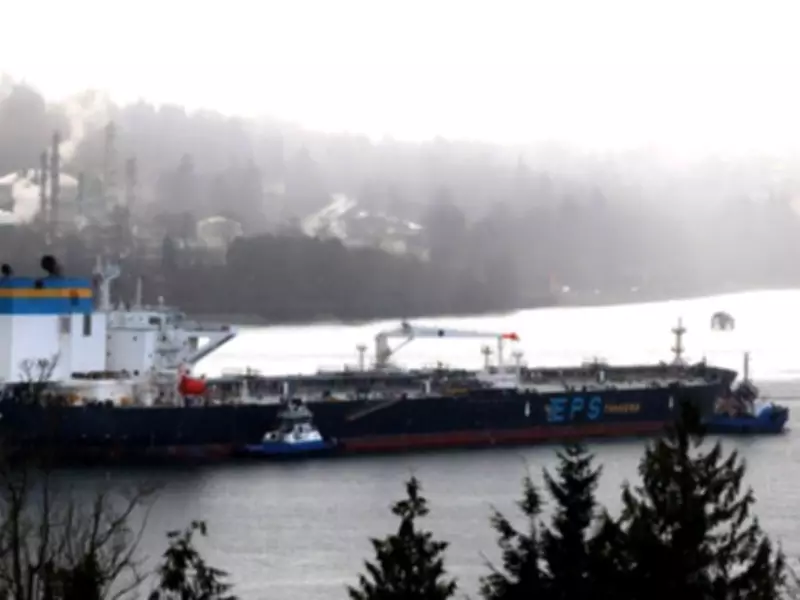
Proponents of the repeal highlight the impeccable safety record of oil tankers on Canada's West Coast, with zero serious spills reported over more than a century of operations. Statistical data indicates that tankers are safer than many other modes of transportation, including cars, airplanes, trains, and even pipelines. Additionally, the ban does not prevent tankers from sailing in northern British Columbia waters; it only restricts loading and unloading activities, suggesting that the regulation is not primarily about navigational risks.
Comparative Analysis with East Coast Operations
Further scrutiny reveals regulatory inconsistencies, as oil tankers are permitted to operate in Canada's Maritime waters and along the St. Lawrence River without similar restrictions. There is no objective evidence to suggest that West Coast ports, such as Prince Rupert, pose higher risks than their East Coast counterparts. This disparity underscores the need for a uniform approach based on empirical safety data rather than regional biases.
Conclusion: A Call for Concrete Measures
As the debate intensifies, the proposed bill represents a tangible effort to translate government proclamations into actionable policies. Repealing the West Coast tanker ban could unlock significant economic opportunities, fostering job creation and strengthening Canada's position in global energy markets. It is time for decisive leadership to move beyond rhetoric and implement reforms that drive real growth and prosperity for the nation.