Canada Pledges Support for International Energy Agency Oil Reserve Release
In response to escalating tensions in the Middle East, Canada has announced its commitment to assist the International Energy Agency (IEA) in coordinating a significant release of emergency oil reserves. This move aims to stabilize global oil markets disrupted by recent conflicts involving Iranian naval vessels near critical shipping lanes.
Global Energy Security Under Threat
The decision comes as Iranian naval forces, including approximately 16 minelayers, have been targeted by strikes near the Strait of Hormuz, a vital chokepoint for global oil transportation. These developments have heightened fears of supply disruptions, with Iran warning that oil prices could surge to $200 per barrel if hostilities intensify. The IEA, comprising 32 member countries, has agreed to its largest-ever coordinated release of emergency reserves to counteract price volatility and ensure market stability.
Economic and Agricultural Impacts
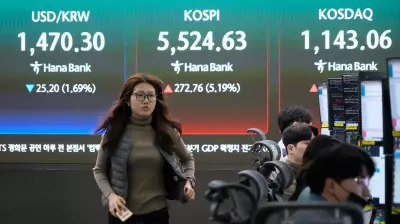
Market declines linked to the conflict are delivering tough news for farmers and other sectors dependent on stable energy costs. The price surge threatens to increase operational expenses, from fuel for machinery to transportation logistics, potentially squeezing profit margins and affecting food security. Experts emphasize that this supply jolt underscores the critical importance of maintaining robust emergency oil reserves as a buffer against geopolitical shocks.
Canada's Role in the Coordinated ResponseCanadian officials have stated that the country will "do its part" in the IEA initiative, aligning with international efforts to mitigate economic fallout. This involvement highlights Canada's position as a responsible global energy player, contributing to collective action aimed at preventing oil shortages and price spikes that could derail economic recovery efforts worldwide.
Broader Implications for Energy Policy
The conflict has sparked discussions about the long-term shift toward clean energy, with some analysts suggesting that oil market instability could accelerate investments in renewable alternatives. However, immediate concerns focus on securing traditional energy supplies, as attacks on infrastructure like water desalination plants in the region further complicate the crisis, risking humanitarian and environmental consequences.
As the situation evolves, Canada's participation in the IEA release reflects a proactive approach to global energy governance, balancing short-term market needs with ongoing commitments to environmental sustainability and international cooperation.