Canada Urgently Explores Oil Supply Enhancement Amid Middle East Conflict
Canadian officials are actively collaborating with provincial governments and the energy industry to identify methods for increasing oil supply, as ongoing conflict in Iran continues to create significant disruptions in global crude markets. The situation has prompted what government representatives describe as "urgent exploration" of all available options to stabilize energy markets and support international allies.
Transportation Flexibility and Production Adjustments
According to Charlotte Power, spokesperson for Energy Minister Tim Hodgson, Canada maintains the capability to adjust transportation methods through both marine and rail shipments should supply routes require reorientation. "We are looking at ways to increase output to advance international energy cooperation and security," Power stated, emphasizing the government's commitment to maintaining flexible transportation infrastructure.
Officials are currently reviewing whether scheduled maintenance activities in Alberta's oil sands region could be postponed to free up additional production capacity. This consideration comes at a critical time, as companies operating in the oil sands typically enter a spring maintenance period that reduces output by approximately 150,000 barrels per day or more during the second quarter.

Pipeline Expansion and Market Diversification
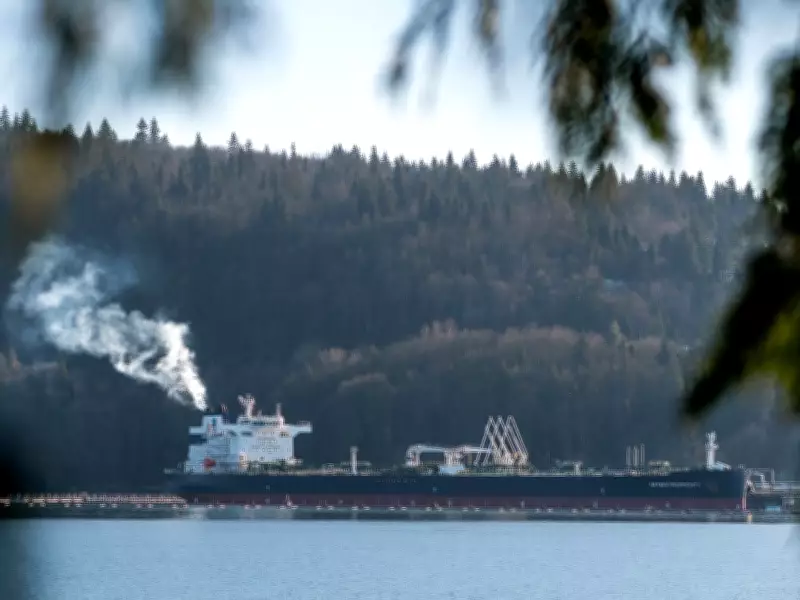
Canada, positioned as the world's fourth-largest oil producer, has traditionally directed most of its crude exports to the United States. However, the recently expanded Trans Mountain pipeline system, which became operational in 2024, has enabled a substantial increase in shipments to Asian markets. The pipeline operated at approximately 81 percent utilization in December, demonstrating its growing importance in diversifying Canada's energy export destinations.
Power highlighted that Canada has signed a memorandum of understanding with Alberta to support construction of a new bitumen pipeline to the west coast. "We are laying a path that will allow Canada to unlock increased export capacity on our west coast to diversify our energy exports and support our allies across the world," she explained.
Market Impacts and Price Volatility
The conflict in Iran has significantly curtailed exports through the Strait of Hormuz, a critical waterway that typically facilitates about one-fifth of global oil supply movement. This disruption, combined with planned maintenance activities in Canada, has narrowed the discount on Canadian heavy crude to approximately US$13 per barrel from nearly US$16 just one month ago, according to data from General Index and Modern Commodities.
Western Canadian Select, a specific grade of heavy crude, has surged to its highest price point in more than three years, reflecting the market turbulence caused by Middle East instability. The price volatility has prompted international coordination efforts, with Group of Seven energy ministers requesting the International Energy Agency to prepare scenarios for releasing emergency oil stockpiles.
Emergency Preparedness and Political Responses
While Canada does not maintain a strategic petroleum reserve comparable to the United States system due to its status as a net exporter, the country does possess emergency supplies that could be accessed for domestic use if absolutely necessary. However, according to sources familiar with government discussions, such measures would only be implemented in extreme circumstances, as crude continues to flow to North American and European markets despite ongoing price fluctuations.
Conservative Leader Pierre Poilievre has called for the Liberal government to implement an "emergency energy supply plan" in response to Middle East turmoil, including the removal of environmental regulations that he argues hinder oil and gas development. Meanwhile, G7 leaders are scheduled to convene to discuss the Iran crisis and its implications for global energy prices.
The situation remains fluid, with government officials, industry representatives, and international partners closely monitoring developments in both the Middle East conflict and global energy markets as they work to ensure stable energy supplies during this period of uncertainty.