Recent discussions have brought to light concerns about potential military threats from Canada's southern neighbour, prompting a closer examination of the nation's defensive capabilities. While some perceive vulnerability in this relationship, a compelling argument emerges that Canada's greatest defensive strength lies in its control over the flow of essential natural resources to the United States.
The Power of Resource Leverage
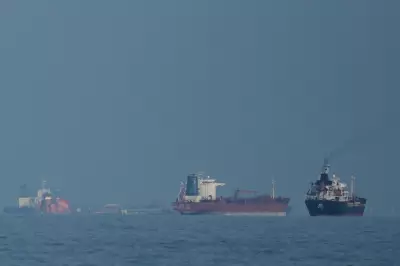
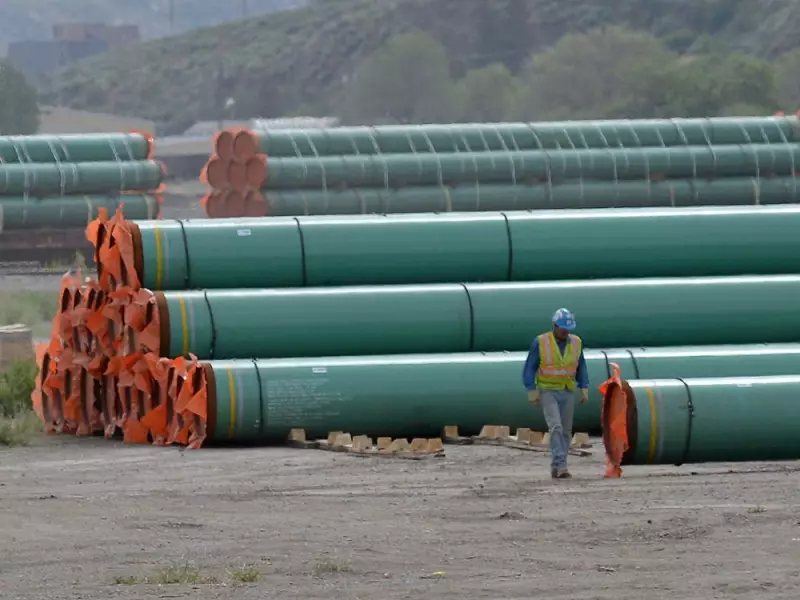
In the face of aggression, Canada possesses the immediate capability to halt exports of crucial commodities to the United States. This includes oil, natural gas, potash, uranium, electricity, various metals, and grain. Such an action would have swift and severe consequences for American infrastructure and industry.
Immediate Impact on the United States
The cessation of these resource flows would create significant disruptions:

- Power outages in numerous American cities due to electricity and fuel shortages
- Survivors struggling against extreme temperatures without adequate heating or cooling
- Agricultural production coming to a standstill without Canadian grain exports
- Automotive manufacturers facing bankruptcy without access to essential metals
This interconnectedness between the two nations creates a powerful strategic deterrent. Canada's resource-rich landscape represents more than just economic wealth—it serves as a formidable defensive asset that promotes peace and cooperation as mutually beneficial outcomes.
Reader Perspectives on Defence Strategy
The discussion around Canada's defensive posture has generated diverse viewpoints from readers across the country.
Geopolitical Concerns
One reader from Alberta raises questions about Greenland's strategic importance, noting its North American location rather than European affiliation. The concern centres on whether Chinese and Russian military presence near Canada's eastern coast represents a security threat, with suggestions that a protective alliance through NATO might offer security benefits for both the United States and Canada.
Cross-Border Relationships
An American correspondent from Montana offers reassurance about U.S. public opinion, noting that polling indicates substantial disapproval of current leadership. The writer emphasizes that many U.S. citizens hold Canada in high regard and hope that bilateral relationships won't be damaged by political tensions, expressing concern about future travel restrictions between the two nations.
Domestic Policy Concerns
A Calgary perspective highlights concerns about federal energy policies, suggesting that carbon pricing commitments could place Alberta at an economic disadvantage. The argument centres on the potential negative impact on energy development investment and questions the alignment between federal climate objectives and provincial economic interests, particularly regarding carbon capture initiatives.
The central conclusion remains that Canada's control over vital resources provides significant defensive strength in international relations. This strategic advantage underscores the importance of resource management not just for economic prosperity but for national security as well.