Canada's Potential Role in Stabilizing Global Energy Markets Amid Iran Conflict
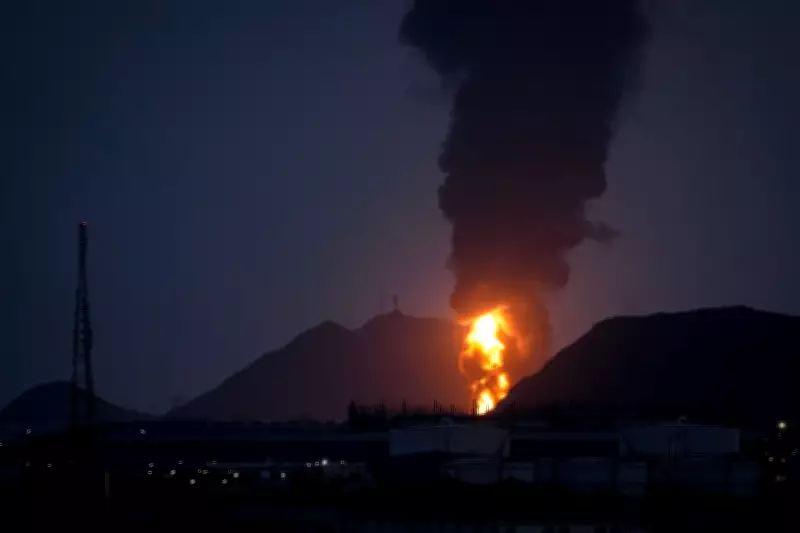
The ongoing war in Iran, showing no signs of abating, has triggered a rapid and concerning surge in global oil and gas prices. This escalation poses a significant threat of a widespread energy crisis, particularly for nations heavily dependent on imports from volatile regions. As geopolitical tensions disrupt traditional supply chains, attention is turning to stable energy producers like Canada, which could play a pivotal role in mitigating market instability.
Immediate Impacts on Global and Domestic Markets
Oil and gas prices have skyrocketed internationally as the conflict intensifies, directly affecting consumers and industries worldwide. In Canada, domestic fuel prices are also experiencing notable fluctuations, with Saskatchewan reporting sharp increases as markets react unpredictably. This volatility underscores the interconnected nature of global energy economics, where regional conflicts can have immediate ripple effects across continents.
For Canadian consumers, the rising costs translate into higher expenses for transportation, heating, and goods production. The situation is further complicated by existing inflationary pressures, creating a compounded economic challenge. Analysts warn that prolonged instability could lead to sustained high prices, impacting everything from grocery bills to industrial output.

Canada's Strategic Energy Advantages
Canada possesses one of the world's largest oil reserves, primarily in the Alberta oil sands, along with substantial natural gas resources. This positions the country as a potential key supplier to help stabilize global markets during crises. Unlike many oil-producing nations in conflict-prone regions, Canada offers political stability and reliable infrastructure, making it an attractive partner for energy-importing countries seeking secure alternatives.
However, leveraging this advantage is not without hurdles. Canada faces internal debates over energy policy, environmental regulations, and infrastructure limitations, such as pipeline capacity constraints. Expanding exports would require careful navigation of these domestic issues while addressing international demand.
Challenges and Considerations for Canadian Intervention
Increasing energy exports to alleviate global shortages involves complex trade-offs. Key considerations include:
- Domestic supply security: Ensuring sufficient energy for Canadian households and industries remains a priority.
- Infrastructure investment: Expanding pipeline and export facilities requires significant time and capital.
- Environmental commitments: Balancing increased production with climate goals and emissions targets.
- International partnerships: Coordinating with allies like the United States and Japan, with whom Canada has strategic agreements, to optimize distribution.
Moreover, the situation highlights the broader need for diversified energy strategies. Investments in renewable sources and energy efficiency could reduce dependency on volatile fossil fuel markets, offering long-term resilience against such crises.
Broader Implications for Canadians
Beyond direct energy costs, the Iran conflict's economic repercussions are multifaceted. Grocery prices may rise due to increased transportation and production expenses, while national security concerns, including potential terrorism risks, require vigilant monitoring. The crisis also stresses the importance of robust trade policies, as evidenced by recent Canada-U.S. meetings on CUSMA review and tariff systems.
In this context, Canada's response could shape its global standing as a reliable energy partner and economic stabilizer. Strategic decisions made now will influence not only immediate market conditions but also long-term energy sovereignty and international relations.
As the world watches the Iran war unfold, Canada stands at a crossroads. With careful planning and collaborative efforts, it could help avert a full-blown global energy crisis, demonstrating leadership in a time of uncertainty. The path forward demands balancing immediate action with sustainable vision, ensuring energy security for both the nation and its allies.