Canadian Natural Defers Oilsands Spending Amid Policy Uncertainty
In a clear signal to policymakers, Canadian Natural Resources Ltd. has announced significant spending deferrals on major oilsands projects, citing regulatory uncertainty as the primary driver. The company, Canada's largest oil producer, revealed during its fourth-quarter results announcement that it has cut approximately $310 million from its forecast operating capital expenditures for the current year.
Jackpine Mine Expansion Delayed
Most notably, the company is deferring about $150 million in spending related to front-end engineering design work for the $8.25-billion Jackpine oilsands mine expansion. This project, located approximately 70 kilometres north of Fort McMurray, represents a significant growth opportunity for Canadian Natural, with the potential to increase output by 150,000 barrels per day.
The timing of this decision is particularly significant, coming just weeks before the April 1 deadline for negotiations between the Oil Sands Alliance and federal and provincial governments regarding the Pathways carbon capture network memorandum of understanding (MOU).

Policy Uncertainty Cited as Key Concern
In its official news release, the Calgary-based company explicitly pointed to "lack of finalization of government regulatory policies as it relates to carbon pricing and methane, which creates uncertainty and economic burden for long-term growth investments."
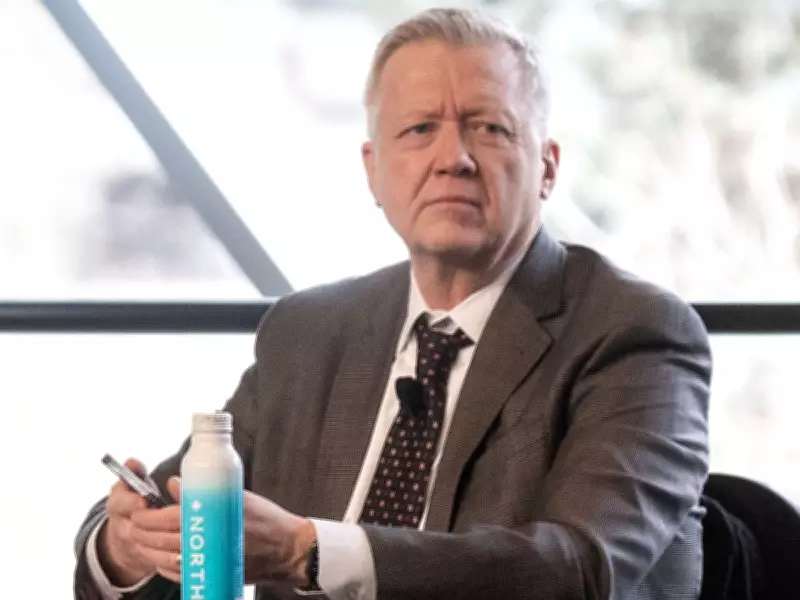
Canadian Natural Resources president Scott Stauth elaborated on this position in an interview, stating: "Specifically, what we want to ensure is that the MOU comes out with a policy that provides that economic viability for these long-term projects that will fill an export pipeline going to the West Coast."
Stauth further explained the company's perspective: "We just take the view that if there's carbon policies or carbon cost on top of the capital, and on top of the operating cost, then that will likely impede the economic viability of a project, such as a Jackpine mine expansion."
Pathways Project Connection
The decision comes amid ongoing negotiations surrounding the Pathways carbon capture and storage network, a massive $16.5 billion decarbonization initiative proposed by Canada's largest oilsands producers. This ambitious project would involve constructing a 400-kilometre pipeline connecting oilsands facilities to an underground storage hub near Cold Lake.
In November, the federal and provincial governments signed a broader energy memorandum of understanding that prioritized both the Pathways project and a proposed bitumen pipeline to the West Coast, declaring the two projects "mutually dependent" on each other proceeding.
Stauth emphasized the company's support for carbon capture initiatives while expressing concerns about additional costs: "We understand and we think it's a good idea to do the Pathways project and to capture CO2 from the oilsands areas. And we don't think it's a good idea to have carbon tax, carbon cost, on top of the capital and operating expenditures."
Future Implications
The company has made it clear that restarting work on the Jackpine mine expansion will depend directly on the outcome of regulatory process changes emerging from the MOU negotiations. Canadian Natural is seeking policy frameworks that ensure future projects remain competitive for attracting global capital investment.
This spending deferral represents more than just a temporary budget adjustment—it serves as a strategic message to policymakers about the economic realities facing long-term energy investments in Canada's oilsands sector. As the April 1 deadline approaches, all eyes will be on how government and industry navigate these complex policy and economic considerations.