Canadian heavy crude oil is currently commanding its most significant premium on the U.S. Gulf Coast in over two years, a development largely attributed to the effective closure of the critical Strait of Hormuz shipping lane. This geopolitical event has reshaped global crude oil flows and intensified demand for alternative heavy oil supplies.
Record Premium for Canadian Heavy Crude
As of the close of trading on Tuesday, Canadian heavy oil scheduled for June delivery was trading at a substantial US$13.55 premium on the U.S. Gulf Coast relative to the May price benchmark in Alberta. According to data from Link Data Services and General Index, this represents the widest price spread observed since December 2023.
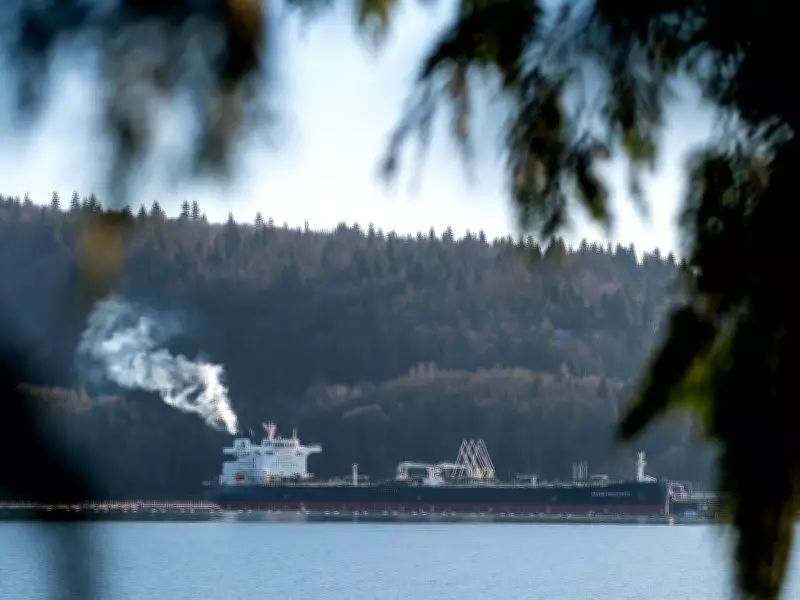
This notable premium marks the most lucrative arbitrage opportunity for shipping Canadian crude to the Gulf Coast since before the operational commencement of the expanded Trans Mountain pipeline system. That major infrastructure project, which runs to the Pacific Coast in Burnaby, British Columbia, was designed to alleviate persistent export bottlenecks that historically caused significant price discounts for Alberta producers.

Geopolitical Drivers Behind the Surge
The primary catalyst for this price surge is the ongoing disruption in the Middle East. A fragile ceasefire between the United States and Iran, announced overnight, has left the Strait of Hormuz mostly blocked as of Wednesday. This strategic chokepoint is vital for global oil shipments, and its closure has severely curtailed exports from the region.
Consequently, refiners worldwide, particularly those in Asia, are actively seeking alternative sources of heavy crude to replace disrupted Middle Eastern supplies. Canadian heavy oil, with its similar quality profile, has emerged as a highly sought-after substitute, driving up its value in key markets like the U.S. Gulf Coast.
Market Implications and Context
The current market dynamic underscores a significant shift. For years, Alberta's oil industry grappled with a lack of pipeline capacity, leading to steep discounts. The expanded Trans Mountain pipeline began to change that equation by providing a new export route. However, the sudden geopolitical shock in the Middle East has now created an unprecedented premium for Canadian crude in the Gulf, highlighting how global events can rapidly alter regional price structures.
This situation demonstrates the interconnectedness of global energy markets, where a disruption in one key region can create substantial economic opportunities for producers in another, fundamentally altering trade flows and pricing benchmarks almost overnight.