Carney Arrives in Mumbai with Energy Deals as Top Priority
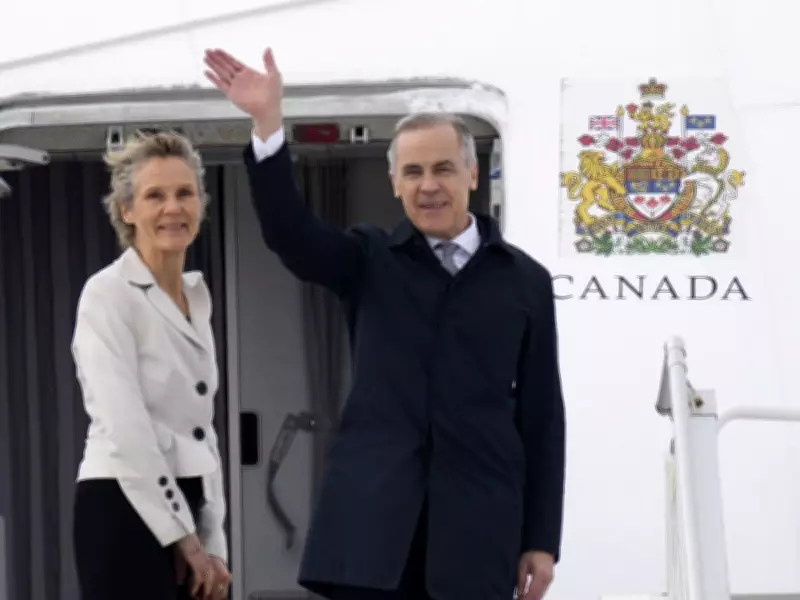
Prime Minister Mark Carney landed in Mumbai, India's financial capital, on Friday, with energy partnerships dominating his agenda during a three-day visit aimed at deepening bilateral relations between Canada and India.
Red Carpet Welcome and Strategic Objectives
Greeted by local officials and India's High Commissioner to Canada, Carney and his wife Diana received a ceremonial red carpet welcome at Chhatrapati Shivaji International Airport. The prime minister's delegation includes Saskatchewan Premier Scott Moe, whose province holds Canada's largest uranium reserves.
Against Mumbai's contrasting skyline of luxury high-rises and sprawling slums, Carney aims to secure increased Indian investment in Canada while promoting Canadian resources to help power India's massive population of 1.4 billion people.

Uranium Exports Central to Energy Strategy
At the core of Canada's proposal lies its abundant natural resources, particularly uranium from Saskatchewan's northern mines. As the world's second-largest uranium producer after Kazakhstan, Canada positions itself as a reliable supplier for India's ambitious nuclear power expansion.
"India currently requires a massive increase in uranium to achieve its nuclear power goals," explained Dinesh Patnaik, India's envoy to Canada, who identified energy as a priority area for bilateral cooperation. When questioned about a potential 10-year, $2.8 billion uranium deal, Patnaik confirmed, "that will of course be there."
Comprehensive Trade Negotiations Underway
Government officials, speaking anonymously earlier this week, revealed that Carney will use his Mumbai meetings to "explore opportunities for partnerships" in energy and agriculture sectors. Beyond uranium, discussions encompass oil and gas, renewables, critical minerals, and agricultural cooperation.
The visit formally launches negotiations for a comprehensive trade agreement that both nations anticipate finalizing within months. Multiple memorandums of understanding and commercial arrangement deals are expected to be announced during Carney's trip, which continues to New Delhi before proceeding to Australia and Japan.
Groundwork Laid by Previous Ministerial Visit
Natural Resources and Energy Minister Tim Hodgson traveled to India in January to prepare for these discussions, meeting with state-owned energy companies, private sector representatives, and clean technology innovators.
"The message was consistent: India needs scale, reliability and long-term partnerships and Canada can offer all three of these," Hodgson reported during a news conference last month.
Broader Energy and Resource Opportunities
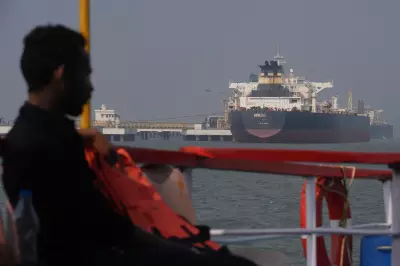
Beyond nuclear energy, India demonstrates substantial demand for liquefied natural gas and crude oil, boasting the world's largest refining capacity. Hodgson noted India's interest in accessing crude oil from Canada's West Coast, potentially through the Trans Mountain Expansion pipeline or a new pipeline proposed by Alberta Premier Danielle Smith.
Critical minerals including lithium, copper, and nickel also feature prominently in discussions, as India seeks diversified energy sources and materials to support its growing economy and population.
Carney's Mumbai visit represents a strategic effort to transform Canada's resource advantages into long-term international partnerships, with energy cooperation serving as the cornerstone for broader economic and diplomatic relations between the two nations.