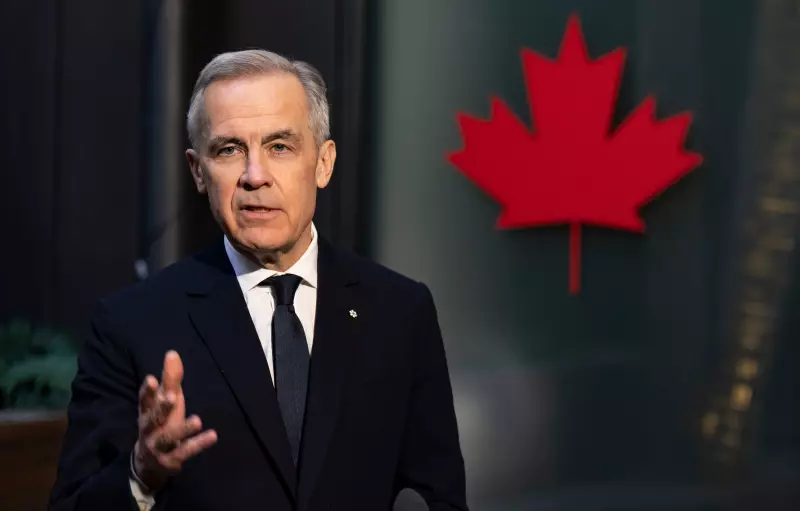
Prime Minister Mark Carney has stated that Canada's oil industry stands to become more competitive on the global stage following the recent ouster of Venezuelan leader Nicolás Maduro. This political shift, driven by U.S. military action, could reshape international energy markets and create new opportunities for Canadian exports.
Political Shifts and Economic Opportunities
Carney's comments, made on January 6, 2026, directly address the geopolitical upheaval in Venezuela. The Prime Minister framed the development as a potential boon for Canada's energy sector, suggesting that the removal of a major, albeit troubled, oil producer from the market could open doors. "Canadian oil will be competitive after Maduro ouster," Carney asserted, linking foreign policy events to domestic economic prospects.
In related political news, Deputy Prime Minister Chrystia Freeland has resigned her seat as a Member of Parliament. Carney commented that this move is "consistent" with her potentially taking on a formal role as an adviser on Ukraine. The Prime Minister also confirmed that Canada is working to build forces to support peace efforts in Ukraine, underscoring the government's ongoing foreign policy commitments.

Opposition Calls for Action on Pipelines
Conservative Leader Pierre Poilievre seized on the situation to reiterate his party's long-standing energy policy demands. In response to the U.S. intervention in Venezuela, Poilievre called for the immediate approval of new pipeline projects in Canada. He argued that enhancing domestic export capacity is crucial for capitalizing on changing global dynamics and strengthening Canada's economic sovereignty.
This political debate unfolds against a backdrop of other significant national stories, from freezing rain warnings in the GTA to a major water system pledge by Calgary's mayor. However, the statements from Canada's political leaders highlight a clear focus on how international crises can impact key domestic industries.
Navigating a New Energy Landscape
The rapid developments in Venezuela present both challenges and opportunities. While the full long-term impact on global oil prices and supply chains remains uncertain, Canada's political leadership is already positioning the country's resource sector to respond. The contrasting approaches—Carney's focus on market competitiveness and Poilievre's push for infrastructure—set the stage for a continued debate over Canada's energy future.
As the situation develops, the federal government will need to balance its international diplomatic stance with the practical economic interests of the Canadian energy sector, all while navigating a complex and evolving political landscape at home and abroad.