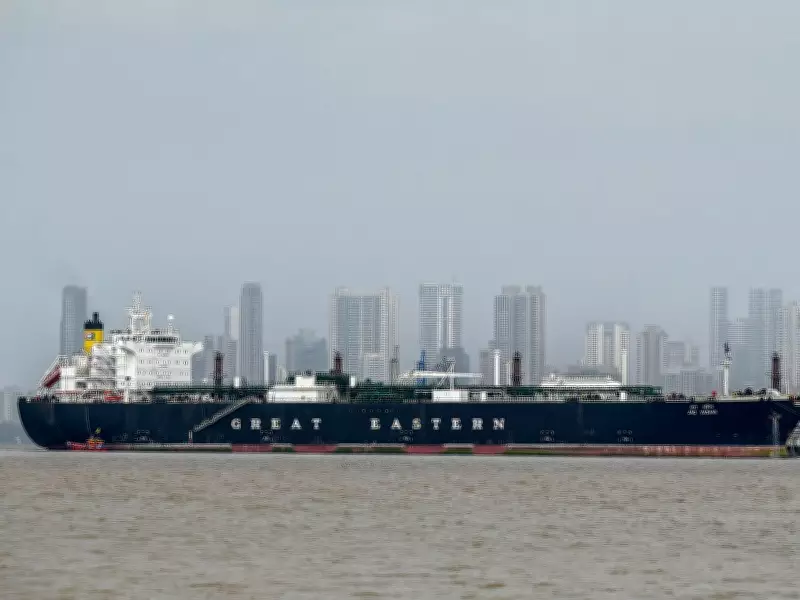
Ceasefire Agreement Creates Critical Opening for Trapped Maritime Fleet
Shipowners across the globe are urgently analyzing the details of a newly announced ceasefire between the United States and Iran, hoping it will provide a temporary window to extract more than 800 vessels currently trapped in the Persian Gulf. The near-closure of the vital Strait of Hormuz for several weeks has created an unprecedented global energy supply crisis, with traffic slowing to a mere trickle as Iran tightened control following recent military strikes.
Unprecedented Maritime Gridlock and Safety Concerns
The prolonged blockage of this crucial shipping corridor has resulted in a dramatic reduction of maritime traffic. Under normal peacetime conditions, approximately 135 ships transit the strait daily, but that number has plummeted dramatically. Unable to guarantee the safety of thousands of seafarers and their valuable cargoes after multiple attacks, vessels have been forced to loiter on either side of the waterway, creating a massive backlog.
According to data from Kpler, energy transport vessels constitute a significant portion of the stranded fleet. Currently, 426 tankers carrying crude oil and clean fuels are immobilized, along with 34 liquefied petroleum gas carriers and 19 liquefied natural gas vessels. The remainder consists of ships transporting dry commodities such as agricultural products, metals, and containerized goods.

Ceasefire Details Remain Murky Despite Agreement
On Tuesday, just hours before a deadline set by U.S. President Donald Trump expired, the two nations agreed to a ceasefire in exchange for reopening the strategic waterway. However, the specifics of this arrangement remain unclear and somewhat contradictory. Iranian officials have stated they agreed to two weeks of safe passage coordinated with their armed forces and within certain technical limitations, while President Trump announced what he described as a complete, immediate, and safe opening.
It remains uncertain whether the two parties have settled on financial arrangements or other conditions underlying the agreement. This ambiguity has left shipowners and industry groups scrambling to understand the fine print before making any decisions about vessel movements.
Cautious Optimism Amid Operational Challenges
Despite the uncertainties, the ceasefire announcement has generated cautious optimism within the shipping industry. Major organizations like the Japanese Shipowners' Association have indicated they will carefully examine the U.S.-Iran agreement before relaying information to their members and making operational decisions.
Most industry experts warn that significantly more clarity will be required before ships can safely resume transit. Even under the best-case scenario, restoring normal shipping flows will take considerable time. As Jennifer Parker, adjunct professor at the University of Western Australia Defence and Security Institute, explained, global shipping operations cannot simply be switched back on within twenty-four hours.
"Tanker owners, insurers, and crews need to believe the risk has actually reduced—not just temporarily paused," Parker emphasized, highlighting the psychological and logistical hurdles that must be overcome.
Humanitarian Crisis for Trapped Seafarers
The maritime standoff has created a severe humanitarian situation for the crews aboard the immobilized vessels. According to an International Maritime Organization tally from late March, approximately 20,000 civilian seafarers remain stuck onboard these ships and accompanying utility and support vessels. The United Nations agency has warned that these crew members face dwindling supplies, mounting fatigue, and significant psychological stress as the crisis continues.
The reopening window, however brief, represents not just an economic opportunity but a potential lifeline for these trapped maritime workers who have been living in limbo for weeks amid dangerous conditions and uncertain futures.