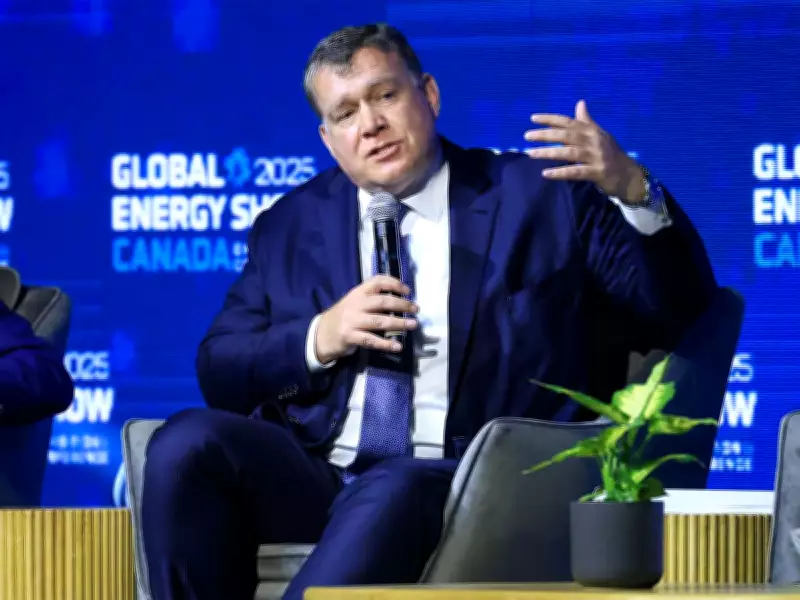
Cenovus CEO Expresses Hope for Carbon Capture Deal Amid Extended Negotiations
Negotiations between the federal government, Alberta, and major oilsands producers regarding a massive carbon capture project have now extended two weeks beyond the initial deadline. Additionally, an agreement on carbon pricing between the two levels of government has also missed its April 1 target date.
Despite these delays, Jon McKenzie, president and CEO of Cenovus Energy and chair of the Canadian Association of Petroleum Producers (CAPP), remains hopeful. The entire industry, along with numerous groups across Canada, is eagerly awaiting the outcome to see if a proposed "grand bargain" will materialize, potentially leading to the construction of a new oil pipeline and a carbon capture network.
Industry Leader Calls for Action on Carbon Capture
"I wouldn’t describe myself as confident—I’m hopeful," said McKenzie, whose company is part of the Oil Sands Alliance. This alliance has proposed building a $16.5-billion carbon capture network in northern Alberta. He emphasized the urgency of the situation, stating, "This is something that we need to do as a country, and we need to get this across the goal line, and we need to get this debate behind us, and we need to start getting things built."

The negotiations stem from an energy memorandum of understanding (MOU) reached between the Carney and Smith governments in November. This MOU supports the concept of a "grand bargain," which includes developing a new oil pipeline to the West Coast, as pitched by Alberta. However, this is conditional on the proposed Pathways carbon capture network being developed, featuring a CO2 pipeline connecting oilsands facilities to an underground storage hub near Cold Lake.
Key Agreements and Deadlines
As part of the MOU, the two governments also pledged to reach an agreement on industrial carbon pricing in Alberta. This agreement calls for the carbon price under Alberta’s Technology Innovation and Emissions Reduction (TIER) system to reach a minimum effective rate of $130 per tonne, though no specific timeline was set for achieving this target.
The deadline for the carbon pricing agreement and a trilateral MOU between the Oil Sands Alliance and both levels of government was initially set for the beginning of April. While two other key agreements on methane reduction and reforming the impact assessment process for projects were reached before this deadline, the carbon capture and pricing deals remain unresolved.
Competitiveness and Regulatory Challenges
McKenzie highlighted the need for the industry to remain competitive in attracting capital. He pointed out that Canada, as the world’s fourth-largest oil producer, faces an industrial carbon tax that other nations do not impose on their industries. Speaking at the annual BMO CAPP Energy Symposium in Toronto, he stressed the importance of regulatory reform to support these initiatives.
"If we get the regulatory policy framework right ... that will put us in a position where we can commit barrels to that pipeline," McKenzie added, underscoring the critical link between policy decisions and project viability.
The ongoing negotiations and McKenzie’s hopeful stance reflect the broader challenges and opportunities in balancing economic growth with environmental sustainability in Canada’s energy sector.