Chinese Oil Buyers Pay Premium for Canadian Crude Amid Middle East Conflict
Chinese oil buyers are paying premium prices for Canadian crude as the ongoing Iran War severely restricts supplies from traditional Middle Eastern sources. This geopolitical shift has created a significant advantage for Canadian oil producers in Asian markets.
Canadian Oil Gains Competitive Edge in Asia
According to Patrick O'Rourke, managing director of ATB Cormark Capital Markets, Canadian barrels now enjoy a US$2 to US$3 advantage in Asian markets. This price benefit stems from increased tanker charter rates and elevated risk premiums for insurance in Middle Eastern shipping routes.
On Monday, heavy crude shipped via the Trans Mountain pipeline to China traded at an 80-cent premium to ICE Brent for the first time since Argus Media introduced this pricing benchmark in September 2024.

Shipping Activity Surges as Costs Escalate
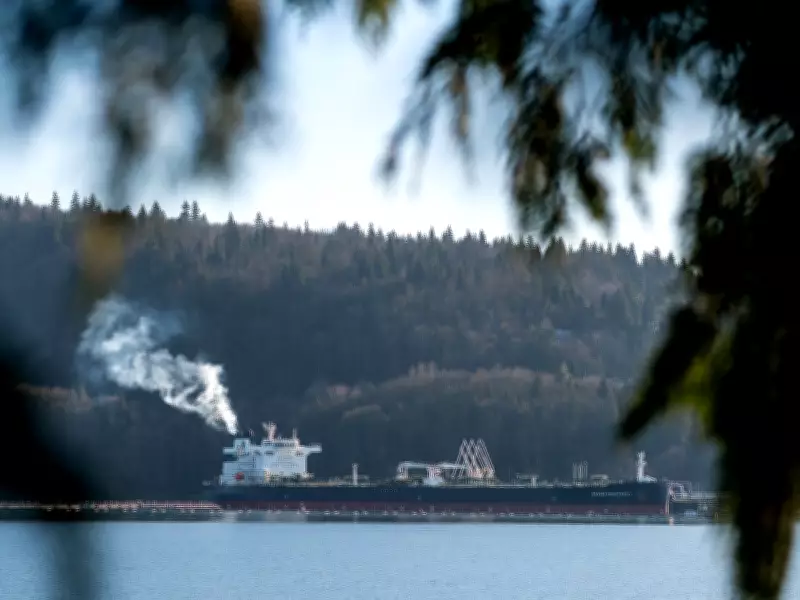
Shipping reports compiled by Bloomberg reveal that at least five vessels have been booked on a preliminary basis over the past two weeks to transport crude from Alberta's oilsands to China. These bookings involve major companies including Chinese trader Unipec America Inc., Shell PLC, and Exxon Mobil Corp.
The willingness to secure oil transport on a pricier spot basis reflects the current market dynamics. Shipping costs have skyrocketed by more than 70% since the beginning of the month, with Trans Mountain oil transportation now costing approximately US$10 per barrel compared to US$5.80 previously.
Canada Emerges as Stable Energy Supplier
The push toward Canadian oil represents a significant opportunity for the country's energy sector after nearly a decade during which investors and international oil companies shifted focus away from oilsands toward other markets, including U.S. shale production.
"Where we see some opportunity for Canada is in a re-rating of the assets of the companies," O'Rourke stated during a recent presentation in Calgary. "We're seen as a consistent safe haven, stable jurisdiction."
Global Oil Market Disruption
The Iran War, now in its second week, has created substantial disruption in global oil markets. The conflict has nearly halted tanker traffic through the Strait of Hormuz, a critical chokepoint through which approximately 20% of the world's crude supply typically flows.
On Monday, crude futures briefly surged above US$100 per barrel for the first time since June 2022 before retreating to below US$90. Major oil exporters including Saudi Arabia, the United Arab Emirates, Kuwait, and Iraq have initiated production reductions in response to the market volatility.
Long-Term Market Shifts Expected
The conflict is likely to fundamentally alter perceptions of Middle Eastern countries as stable oil suppliers. Asian buyers are "probably trying to secure some supply already," O'Rourke noted. "There's clearly demand coming from that region of the world for the barrels."
Chinese refiners had already been increasing purchases of high-sulfur, dense crude from Canada's oilsands since the Trans Mountain expansion pipeline began operations in 2024, partially replacing volumes from Middle Eastern sources such as Iraqi Basrah Heavy.
According to Susan Bell, senior vice president of downstream research at Rystad Energy in Calgary, this trend will likely continue if the conflict persists. "If it gets to the point where Asia truly is pinched on crude oil supply, then I would really expect to see Trans Mountain pipeline spot capacity fill up and that pull into the Asian market," she explained.
The current situation represents a potential turning point for Canadian oil producers, who may benefit from increased Asian demand as traditional supply routes face ongoing disruption from Middle Eastern conflicts.