Constellation Energy has exceeded profit expectations for the latest quarter, attributing its strong performance to a significant surge in electricity demand driven primarily by data centers. The company's financial results highlight how the expanding digital infrastructure sector is reshaping energy markets and creating new opportunities for power providers.
Robust Financial Performance Exceeds Analyst Forecasts
The energy company reported quarterly earnings that surpassed Wall Street estimates, with revenue growth significantly outpacing projections. This marks another period of strong financial performance for Constellation, which has been capitalizing on increasing power needs across various sectors. The company's management emphasized that data center expansion represents a substantial and growing portion of their customer base, contributing directly to improved margins and profitability.
Data Center Boom Fuels Electricity Demand
The rapid growth of artificial intelligence, cloud computing, and digital services has created unprecedented electricity requirements for data centers nationwide. These facilities, which house servers and networking equipment that power the internet and digital economy, require massive amounts of reliable power around the clock. Constellation Energy has positioned itself as a key supplier to this expanding sector, leveraging its diverse generation portfolio to meet these specialized needs.

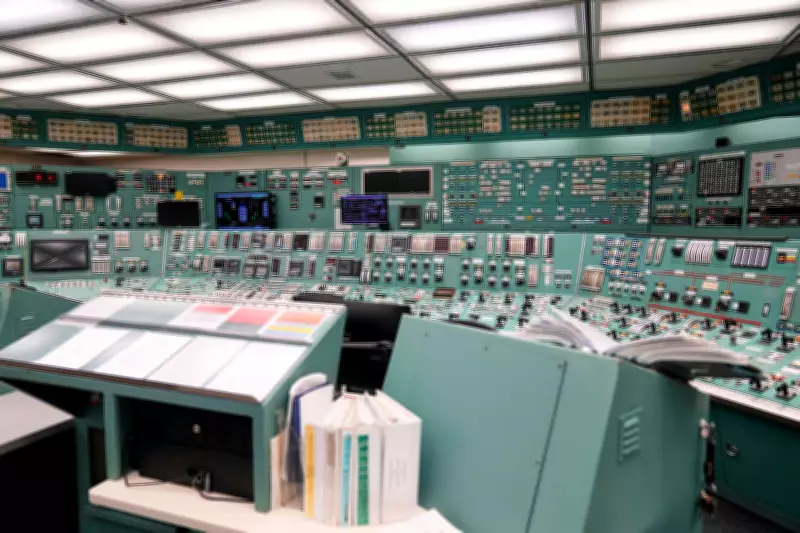
Nuclear power operations have proven particularly valuable in serving data center customers, who prioritize both reliability and clean energy sources. The Crane Clean Energy Center, Constellation's nuclear facility located on Three Mile Island near Middletown, Pennsylvania, represents one of the company's strategic assets in this market. Nuclear generation provides the consistent, carbon-free power that technology companies increasingly demand for their sustainability commitments.
Strategic Positioning in Evolving Energy Landscape
Constellation's success reflects broader trends in the energy sector, where traditional utilities are adapting to serve new types of high-demand customers. The company has invested in maintaining and optimizing its existing generation assets while exploring opportunities to expand its clean energy portfolio. This approach has allowed Constellation to capture value from both traditional residential and commercial customers as well as emerging industrial users like data centers.
The company's performance comes amid ongoing discussions about grid reliability and capacity planning as electricity demand patterns evolve. Industry analysts note that data centers represent not just increased consumption but also different load characteristics that require careful management from power providers.
Future Outlook and Market Implications
Looking forward, Constellation Energy executives expressed confidence in continued strong demand from data center customers, citing long-term contracts and expansion plans within the technology sector. The company anticipates that this segment will remain a significant growth driver for the foreseeable future, though they acknowledged the need to balance this demand with other customer needs and grid stability considerations.
The financial results have broader implications for the energy sector, potentially encouraging other utilities to focus on similar high-demand industrial customers. As digital transformation accelerates across the economy, the relationship between technology infrastructure and energy providers is likely to become increasingly important for both industries.
Constellation's performance also highlights the ongoing importance of nuclear power in providing reliable baseload generation, particularly as intermittent renewable sources continue to expand their share of the generation mix. The company's ability to leverage its nuclear assets to serve premium customers demonstrates one pathway for existing generation resources in a changing energy landscape.