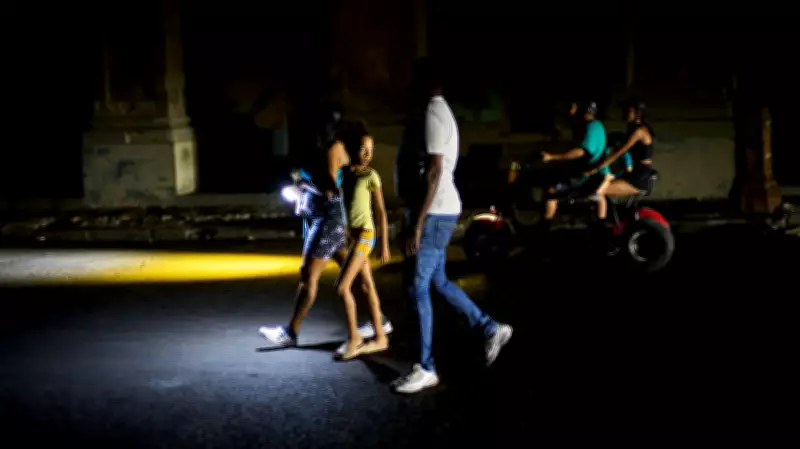
Cuba has successfully reconnected its national power grid, ending a widespread blackout that lasted more than 29 hours, according to energy officials. The outage, which plunged the Caribbean island's 10 million residents into darkness, was resolved by 6:11 p.m. local time on Tuesday. However, authorities cautioned that power shortages may persist due to insufficient electricity generation, highlighting the ongoing energy crisis fueled by U.S. efforts to restrict fuel supplies.
Grid Restoration Amid Fuel Shortages
By midday on Tuesday, grid workers managed to bring the Antonio Guiteras power plant, Cuba's largest oil-fired facility, back online. This decades-old plant is a critical component of the country's power infrastructure. Despite this progress, electricity generation remains far below demand, hampered by severe fuel shortages and antiquated power plants. This provides little relief for Cubans who have endured months of daily blackouts, with many in Havana experiencing 16 or more hours without power even before the latest grid collapse.
U.S. Sanctions and Diplomatic Tensions
The blackout occurred against the backdrop of escalating U.S. actions aimed at choking off Cuba's fuel supply. President Donald Trump has cut off oil sales to the island and intensified rhetoric, stating he could "do anything he wanted" with Cuba. A U.S. State Department official blamed the Cuban government for the grid failure, calling it a symptom of the regime's incompetence. In response, Cuban President Miguel Diaz-Canel criticized Washington's "almost daily public threats," accusing the U.S. of seeking to take over Cuba's resources and economy to force surrender.

Impact on Daily Life and Infrastructure
The prolonged outage has disrupted essential services, throwing necessities like food and water supply into disarray. Havana resident Carlos Montes de Oca described how the blackouts affect every aspect of life, forcing people to cope with stress by reading or waiting patiently. Compounding the issue, overcast conditions from a cold front on Monday reduced output from solar parks, which account for over a third of daytime generation. Cuba has received only two small oil shipments this year, with a Hong Kong-flagged tanker possibly carrying fuel resuming navigation after a pause, according to ship tracking data.
Ongoing Negotiations and Economic Challenges
Cuba and the United States have initiated talks to defuse the crisis, one of the most severe since 1959. While details remain undisclosed, Trump has portrayed Cuba as desperate for a deal, hinting at imminent action. The grid collapse overshadowed Cuba's invitation to Cuban exiles to invest in businesses on the island, a gesture of goodwill. U.S. Secretary of State Marco Rubio dismissed this, asserting that Cuba's economy and political system are fundamentally broken and require dramatic change. Havana has expressed willingness to negotiate on equal terms but insists talks will not involve internal affairs of either country.
Resilience Amid Adversity
Ordinary Cubans, accustomed to hardship, are striving to remain calm. Juana Perez, a Havana resident, noted that her home still lacked power but emphasized the need to take it in stride, as Cubans always do. The crisis underscores the deep challenges facing the island, from energy infrastructure to diplomatic pressures, with no quick resolution in sight.