Cuban Emergency Teams Scramble to Restore Power After Major Blackout
In a race against time, emergency repair crews in Cuba are working around the clock to fix a critically damaged power plant, striving to alleviate a widespread blackout that has plunged significant portions of the country into darkness. The outage, which began impacting areas including the capital city of Havana on Wednesday, March 4, 2026, has severely disrupted daily activities and infrastructure.
Urgent Repairs Underway Amidst Power Crisis
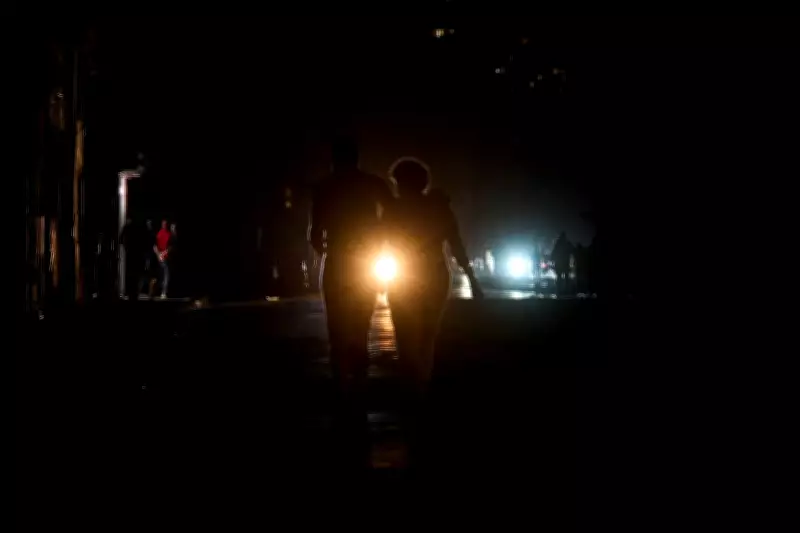
According to reports, the blackout stems from a failure at a key power generation facility, prompting a swift mobilization of technical teams and fire crews to address the issue. The situation has left many residents without electricity for hours, affecting homes, businesses, and public services. In Havana, streets were notably dim as people navigated the city during the outage, highlighting the urgency of the restoration efforts.
The Cuban government has prioritized the repairs, with officials emphasizing the need to stabilize the national grid and prevent further disruptions. This incident underscores the ongoing challenges faced by Cuba's aging energy infrastructure, which has been prone to failures in recent years due to maintenance issues and resource constraints.

Impact on Daily Life and Economic Activities
The blackout has had a tangible impact on daily life, with reports of:
- Interruptions in transportation and traffic systems.
- Disruptions to commercial operations and small businesses.
- Concerns over access to essential services like healthcare and water supply.
Residents have expressed frustration over the recurring power issues, calling for more sustainable solutions to the country's energy woes. The timing of the blackout, during a period of economic strain, adds to the hardships faced by many Cubans, who rely on consistent electricity for basic needs and livelihoods.
Broader Context of Cuba's Energy Struggles
Cuba has long grappled with energy shortages, often attributed to factors such as outdated equipment, fuel shortages, and the impacts of U.S. sanctions. Previous blackouts have sparked protests and highlighted the need for infrastructure upgrades. The current repair efforts are part of a broader push to modernize the power sector, though progress has been slow due to financial and logistical hurdles.
As crews work to restore full power, authorities are monitoring the situation closely, with updates expected in the coming hours. The incident serves as a reminder of the fragility of energy systems in the region and the critical importance of resilient infrastructure in supporting economic and social stability.