Cuba's Fragile Power Grid Plunges Havana and Western Region into Darkness
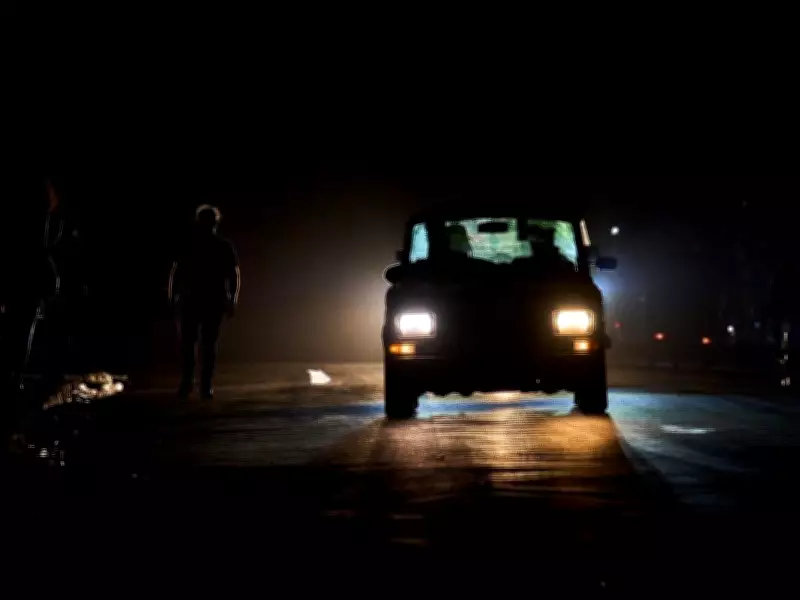
Havana, Cuba – A significant blackout has struck western Cuba, including the capital city of Havana, leaving hundreds of thousands without electricity as officials point to a fragile national grid and critical fuel shortages. The outage, which began overnight, highlights the ongoing energy crisis facing the Caribbean nation.
Widespread Impact and Restoration Efforts
Cuban authorities reported that approximately 297,000 customers in Havana, representing about 34% of the city, were affected by the power loss. Critical infrastructure, including 37 hospitals and five water supply stations, also experienced disruptions, though some have since regained limited service.
Overnight, repair crews worked to address a broken boiler at one of Cuba's largest thermoelectric plants. However, officials have cautioned that full restoration of power could take up to four days, leaving residents and businesses in prolonged uncertainty.

Grid Operating at Limited Capacity
In a statement on social media platform X, Cuba's Ministry of Energy and Mines confirmed that the electrical system is currently running "in a limited capacity, prioritizing basic services, primarily health and water supply." The ministry emphasized efforts to maintain essential functions amid the crisis.
State media further revealed that two power plants are offline due to a lack of petroleum, exacerbating the strain on the already compromised grid. This shortage is part of a broader pattern of fuel scarcity that has plagued Cuba in recent months.
Aging Infrastructure and External Pressures
Power outages have become increasingly common in Cuba, attributed to an aging electric grid and irregular fuel supplies. Many of the country's thermal plants have been operational for over three decades, with maintenance hampered by high costs and logistical challenges.
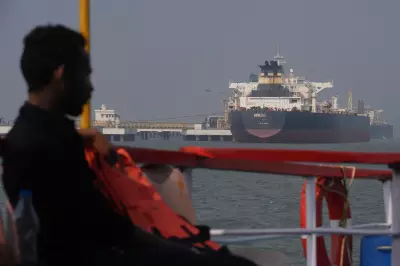
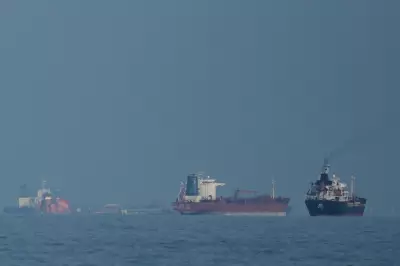
External factors have intensified the crisis. Oil shipments from Venezuela were halted after the United States launched attacks on the South American country in January. Subsequently, U.S. President Donald Trump threatened tariffs on any nation selling or supplying oil to Cuba, further restricting fuel access.
In response to these pressures, the Cuban government implemented fuel-saving measures in February, including announcing that jet fuel would be unavailable at nine airports until mid-March.
Recurring Outages and Historical Context
This week's blackout marks the second major outage in western Cuba within three months. A previous incident in early December lasted approximately 12 hours and was blamed on an overloaded transmission link between two power plants, which triggered an energy collapse in the western sector.
American sanctions have also played a role, preventing Cuba from purchasing new equipment and specialized parts needed for grid maintenance and upgrades. This has left the nation reliant on outdated infrastructure that struggles to meet modern demands.
As repair efforts continue, residents face the reality of an energy system in distress, with officials urging patience while prioritizing essential services in the days ahead.