Ex-Rio Tinto CEO's Deep-Sea Mining Venture Merges with Odyssey in $1 Billion Transaction
A significant consolidation is underway in the deep-sea mining sector as a firm headed by a former chief executive of Rio Tinto has agreed to merge with Odyssey in a deal valued at approximately US$1 billion. This strategic move highlights the increasing investment and corporate interest in extracting minerals from the ocean floor, despite ongoing environmental and regulatory debates.
Details of the Merger Agreement
The merger, announced on April 8, 2026, brings together two key players in the emerging deep-sea mining industry. The company founded by the ex-Rio Tinto CEO, known for its expertise in resource extraction, will combine operations with Odyssey, a firm actively developing advanced technologies for underwater mining. The transaction is structured to enhance financial stability and operational scale, positioning the merged entity to compete more effectively in global markets.
This deal underscores a growing trend of consolidation in the sector, as companies seek to pool resources and expertise to navigate the complex challenges of deep-sea exploration. The $1 billion valuation reflects investor confidence in the potential profitability of seabed mining, which targets valuable minerals like nickel, cobalt, and manganese used in batteries and electronics.

Context and Industry Implications
Deep-sea mining has gained attention as land-based mineral reserves face depletion and environmental concerns. However, the industry remains controversial due to potential impacts on marine ecosystems. The merger comes at a time when regulatory frameworks are evolving, with international bodies like the International Seabed Authority debating rules for commercial extraction.
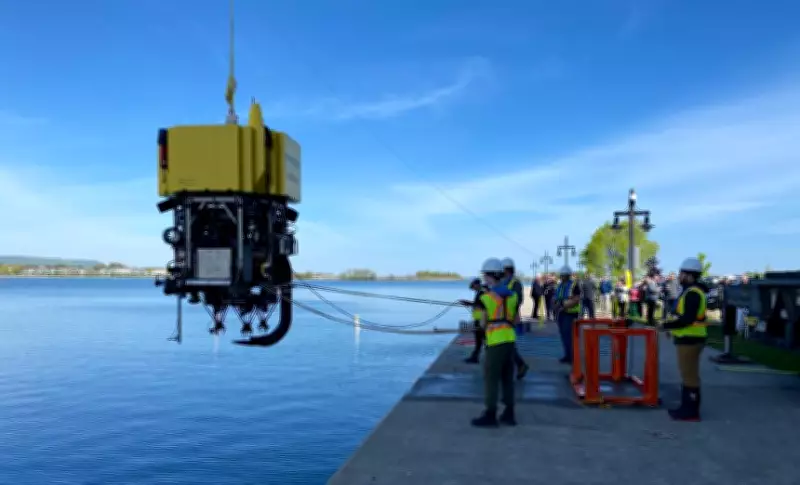
The involvement of a former Rio Tinto executive adds credibility to the venture, given Rio Tinto's extensive experience in mining operations. This merger could accelerate technological advancements, such as the development of robotic mining machines tested in locations like Collingwood, Ontario, by companies such as Impossible Metals, as reported in 2025.
Key aspects of the merger include:
- Combined expertise in mining engineering and marine technology.
- Enhanced capital for research and development of sustainable practices.
- Potential to influence global policies on deep-sea resource management.
Future Outlook and Challenges
As the merged company moves forward, it will need to address environmental criticisms and ensure compliance with emerging regulations. The deal is expected to close in the coming months, subject to regulatory approvals and shareholder consent. Industry analysts predict that this merger could spur further consolidation, shaping the future of deep-sea mining as a viable alternative to traditional mining methods.