Diesel Prices Expected to Remain High for Extended Period, Outpacing Gasoline Costs
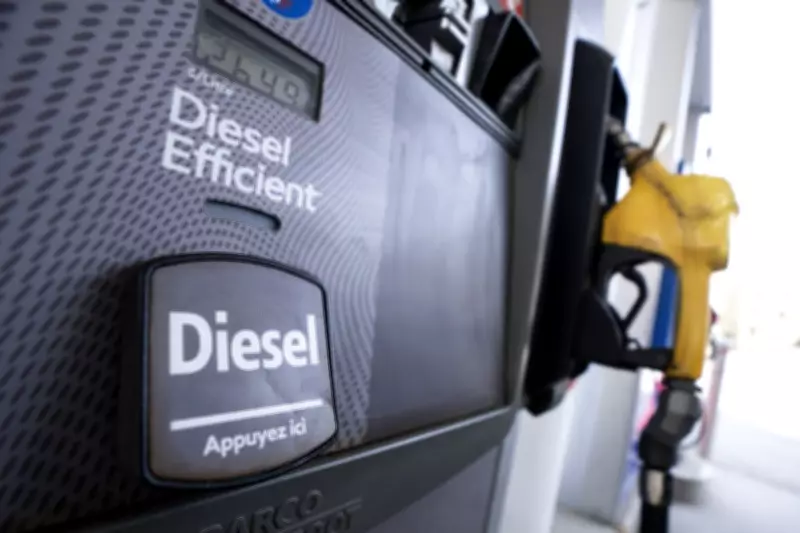
Consumers across the country are bracing for a prolonged period of elevated diesel prices, with industry analysts predicting that these costs could persist for several months. This sustained increase is anticipated to impose a heavier financial burden on households and businesses compared to gasoline expenses, potentially driving up the prices of goods and services reliant on diesel-powered transportation.
Factors Contributing to the Diesel Price Surge
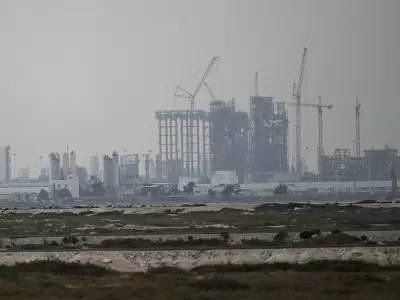
Several key elements are fueling the rise in diesel prices. Global supply chain disruptions, geopolitical tensions affecting oil production, and increased seasonal demand for diesel in sectors like agriculture and shipping have all contributed to the current market conditions. Additionally, refinery capacities dedicated to diesel production have faced constraints, limiting the availability of this essential fuel.
Economic analysts note that diesel prices are often more volatile than gasoline due to its critical role in commercial and industrial activities. "Diesel is the lifeblood of freight and logistics," explained one energy expert. "When its price climbs, it doesn't just affect drivers at the pump—it ripples through the entire economy, increasing costs for everything from food delivery to construction materials."

Broader Implications for Consumers and the Economy
The impact of high diesel prices extends far beyond individual vehicle owners. Businesses that operate fleets of trucks, buses, and heavy machinery are likely to pass on increased operational costs to consumers, leading to higher prices for goods and services. This could exacerbate inflationary pressures, particularly in regions where diesel is a primary fuel for heating and electricity generation.
Moreover, the disparity between diesel and gasoline prices highlights a growing concern for energy affordability. While gasoline prices may fluctuate, diesel's sustained highs could strain household budgets, especially for those in rural or remote areas dependent on diesel for transportation and energy needs.
In response to these challenges, some industry stakeholders are calling for strategic measures to mitigate the impact. These include exploring alternative fuel options, enhancing energy efficiency in transportation, and advocating for policy interventions to stabilize fuel markets. However, experts caution that any significant relief may be months away, urging consumers and businesses to prepare for continued cost pressures.
As the situation evolves, monitoring diesel price trends will be crucial for understanding its broader economic effects. Stakeholders across sectors are advised to stay informed and consider adaptive strategies to navigate this period of elevated fuel costs.