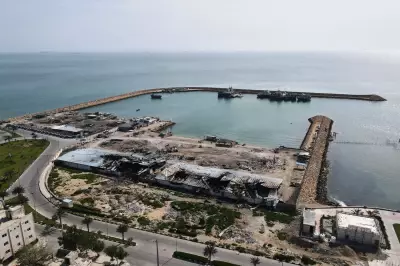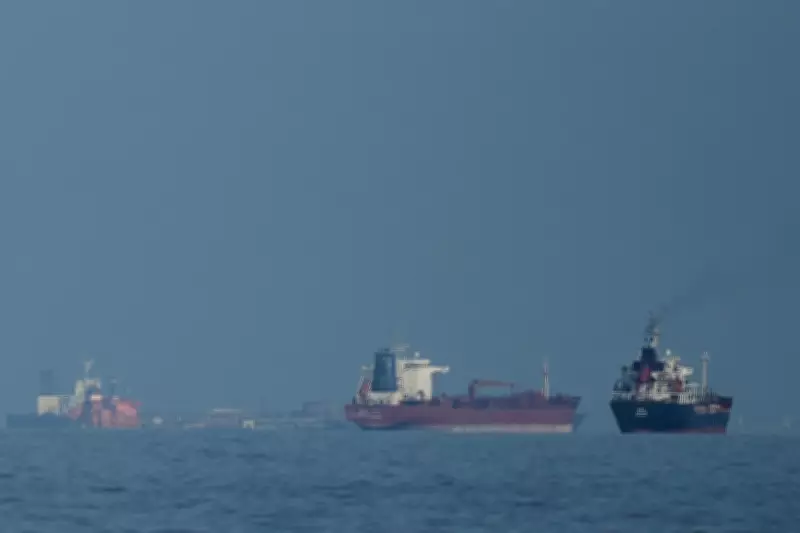
Europe's jet fuel imports from the Middle East have come to a complete halt, raising fears of a significant supply crunch that could impact aviation fuel availability across the continent. The disruption, reported by Reuters, has sent ripples through global energy markets, with analysts warning of potential price spikes and logistical challenges for airlines.
Background of the Crisis
The sudden cessation of imports follows heightened geopolitical tensions in the Middle East, particularly around the Strait of Hormuz, a critical chokepoint for global oil and fuel shipments. Recent events, including the crossing of a Russian superyacht through the blockaded strait, have underscored the volatility in the region. The halt threatens to exacerbate existing supply constraints in Europe, which has been grappling with energy security issues since the onset of the Russia-Ukraine conflict.
Impact on Aviation Sector
The aviation industry, already under pressure from rising operational costs and environmental regulations, faces fresh uncertainty. Jet fuel accounts for a significant portion of airline expenses, and any disruption in supply could lead to higher ticket prices or reduced flight schedules. European carriers are now scrambling to secure alternative sources, including from the United States and Asia, though these options may come at a premium.

- Supply Chain Disruptions: The halt has disrupted established supply chains, forcing refineries and distributors to seek emergency alternatives.
- Price Volatility: Spot prices for jet fuel in Europe have surged, with traders reporting a 15% increase in the past week alone.
- Strategic Reserves: Some European nations are considering tapping into strategic petroleum reserves to mitigate short-term shortages.
Geopolitical Undercurrents
The crisis is deeply intertwined with broader geopolitical dynamics. The Middle East has long been a key supplier of jet fuel to Europe, but ongoing conflicts and sanctions have eroded reliability. The recent blockade of the Strait of Hormuz by Iranian forces has further complicated matters, with naval escorts becoming necessary for safe passage. European diplomats are engaged in urgent talks to de-escalate tensions and restore trade flows.
Market Reactions
Financial markets have reacted sharply, with energy stocks rallying while airline shares tumbled. The benchmark Brent crude oil price also rose, reflecting broader concerns about Middle East supply. Analysts at Goldman Sachs warned that if the disruption persists, Europe could face a jet fuel deficit of up to 200,000 barrels per day by mid-May.
- Short-term Measures: Airlines are implementing fuel surcharges and optimizing flight routes to reduce consumption.
- Long-term Strategies: The crisis has reignited debates about energy diversification, with calls for increased investment in renewable aviation fuels and domestic refining capacity.
- Consumer Impact: Passengers may see higher fares and fewer flight options as carriers adjust to the new reality.
Looking Ahead
The situation remains fluid, with all eyes on diplomatic efforts to reopen supply routes. The European Commission has pledged to monitor the situation closely and coordinate with member states to ensure fuel availability. Meanwhile, industry experts emphasize the need for resilience in the face of such geopolitical shocks, advocating for stronger emergency preparedness and alternative supply chains.
As the world watches, the halt in jet fuel imports serves as a stark reminder of the fragility of global energy networks and the far-reaching consequences of regional instability.