Europe's Jet Fuel Reserves Dwindling, IEA Chief Issues Urgent Warning
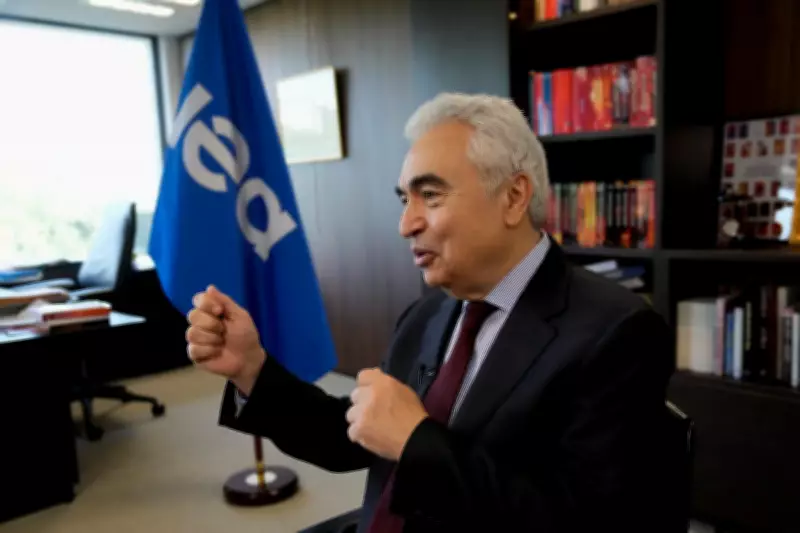
The head of the International Energy Agency (IEA) has delivered a stark warning about Europe's aviation fuel supplies, stating the continent may have only around six weeks of jet fuel remaining. This alarming assessment was made by IEA Executive Director Fatih Birol during an exclusive interview with The Associated Press in Paris on April 16, 2026.
Critical Energy Security Alert
Fatih Birol emphasized that Europe's jet fuel inventory is approaching critically low levels, potentially disrupting air travel and logistics across the region. The six-week timeline represents a pressing concern for energy security, particularly as global geopolitical tensions continue to impact fuel distribution networks. Birol's comments highlight how vulnerable Europe remains to supply chain disruptions despite ongoing efforts to diversify energy sources.
Broader Context of Energy Challenges
This jet fuel shortage warning comes amid a complex global energy landscape. Other recent developments include craft brewers absorbing increased shipping costs due to fuel price surges, and Sunwing Vacations and WestJet Vacations canceling Cuba operations until October. The IEA has been monitoring these trends closely, with Birol noting that energy markets remain volatile due to multiple factors including international conflicts and production constraints.

The aviation sector is particularly sensitive to fuel availability, with airlines requiring consistent supplies to maintain schedules. A six-week buffer leaves minimal room for unexpected disruptions, potentially forcing carriers to implement contingency plans that could affect ticket prices and route availability.
Potential Impacts and Responses
European governments and industry stakeholders are likely to coordinate responses to address this looming shortage. Possible measures could include:
- Accelerating fuel imports from alternative suppliers
- Implementing temporary conservation measures for non-essential flights
- Increasing strategic reserve releases to stabilize markets
- Enhancing coordination between refineries and distribution networks
Birol's warning serves as a reminder that energy security requires constant vigilance and proactive planning. The IEA continues to advocate for diversified energy portfolios and resilient infrastructure to mitigate such risks in the future.