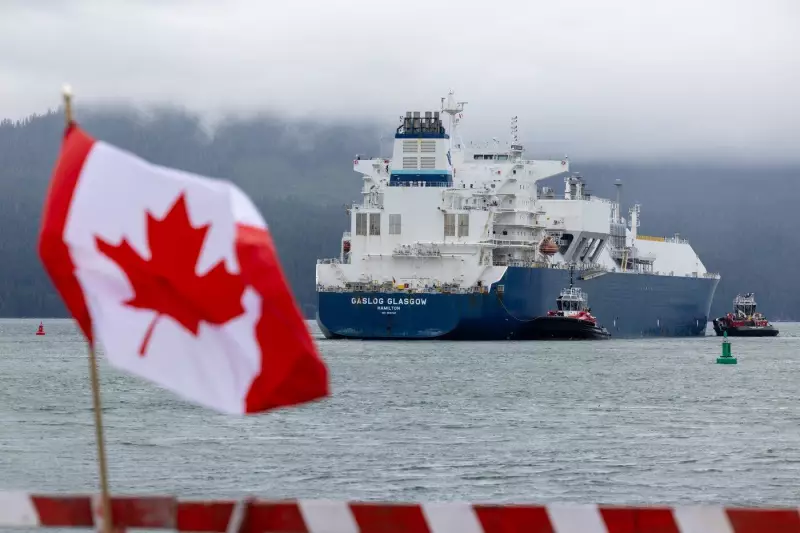
Canada has officially entered the global liquefied natural gas export market, but industry experts remain sharply divided on whether the country missed its optimal window for maximum economic benefit. The debate intensifies as the first LNG cargo departed from Kitimat, British Columbia in June 2025.
Canada's Long-Awaited LNG Debut
The historic first shipment of Canadian liquefied natural gas left the port of Kitimat on Monday, June 30, 2025, marking a significant milestone for the country's energy sector. The vessel, loaded at the LNG Canada facility, represents the culmination of years of development and regulatory approvals.
This milestone comes after numerous delays and challenges that have characterized Canada's journey toward becoming an LNG exporter. While the achievement demonstrates tangible progress, it arrives amidst a transformed global energy landscape that has left analysts questioning the timing and potential benefits.

Divergent Expert Perspectives on Market Timing
Energy market specialists express conflicting views about Canada's positioning in the international LNG marketplace. Some industry observers contend that Canada has arrived too late to capitalize on the most lucrative market conditions.
Several analysts point to the substantial lead established by other LNG-exporting nations, including the United States, Australia, and Qatar, which have dominated global supply chains for years. These countries secured long-term contracts and established market presence during periods of higher demand and pricing.
Other experts maintain that Canada can still capture meaningful market share, particularly in Asian markets seeking diversified supply sources. They argue that Canadian LNG offers distinct advantages, including shorter shipping routes to Asia compared to supplies from the Gulf of Mexico and potentially lower emissions intensity.
Economic Implications and Future Prospects
The debate extends beyond market timing to encompass broader economic considerations. Proponents highlight the job creation, government revenue, and economic diversification benefits that LNG development brings to British Columbia and potentially other regions.
Critics, however, question the long-term viability of major new investments in fossil fuel infrastructure amid global energy transitions. They point to increasing climate commitments and the growth of renewable alternatives as factors that could limit the window for LNG profitability.
The LNG Canada project represents one of the largest private sector investments in Canadian history, with additional phases under consideration. The success of this initial export operation will likely influence decisions about future expansions and new LNG facilities proposed for Canada's West Coast.
As global energy demand continues to evolve, Canada's ability to compete in LNG markets will depend on multiple factors including production costs, environmental performance, and the evolving policies of importing nations. The departure of that first tanker from Kitimat marks not an endpoint, but the beginning of Canada's complex journey in the global LNG arena.