ExxonMobil's chief executive has publicly clashed with U.S. President Donald Trump over the feasibility of a massive investment plan for Venezuela's crippled oil industry, risking his company's role in the proposed rebuild.
A Candid Assessment in the White House
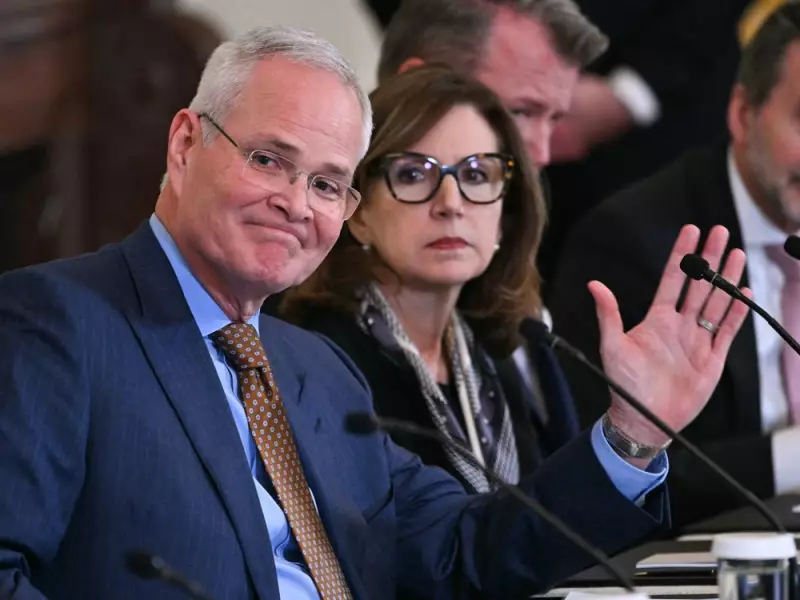
During a meeting with roughly 20 oil industry executives at the White House on January 9, 2026, ExxonMobil CEO Darren Woods delivered a blunt message to the president. He stated that Venezuela is currently "uninvestable," a assessment shared privately by many of his peers. Some executives had even tried to dissuade the White House from holding the meeting, concerned about the optics and the challenges ahead.
President Trump, however, is pushing for American companies to lead a charge to invest at least US$100 billion into Venezuela's beleaguered oil sector, following the capture of its former leader, Nicolás Maduro. The goal is to revitalize an industry sitting on reserves believed to be the world's largest, but which currently produces under 1 million barrels per day—a far cry from its 1970s peak of nearly 4 million.

Industry-Wide Caution and Political Blowback
Woods's candor was not well-received. By Sunday evening, January 11, President Trump told reporters he "didn't like" the remarks and was inclined to keep Exxon out of Venezuela, accusing the company of playing "too cute." This episode highlights the risks for corporate leaders summoned to Trump's public-facing meetings, which are often used as platforms to extract public commitments.
Andrew Logan, oil and gas senior director at the nonprofit CERES, noted that while Woods was likely speaking the truth, he "didn't read the room" and was bound to face blowback. The industry's caution is rooted in substantial practical and political hurdles.
The Daunting Road to Recovery in Venezuela
Oil executives outline a list of prerequisites before any major financial commitments can be made. The physical infrastructure is in dire need of tens of billions of dollars to rebuild or replace abandoned rigs, leaky pipelines, and fire-ravaged equipment.
Beyond the hardware, companies are demanding significant reforms:
- Political and legal stability to allow capital to move freely in and out of the country.
- Guarantees of on-the-ground security for operations and personnel.
- Assurances that companies won't be seen as opportunistically carving up the nation's resources.
Mike Sommers, CEO of the American Petroleum Institute, echoed this unified industry position, stating that "certain prerequisites have to happen before there's continued investment in Venezuela." For now, Chevron Corp. remains the only major international oil company operating in the country.
Exxon officials were reportedly surprised by the media's focus on Woods's "uninvestable" comment, as he also told the president the company was prepared to send an assessment team if invited and expressed confidence in the administration's ability to deliver necessary reforms. The incident underscores the delicate balance corporate leaders must strike between pragmatic business assessments and political diplomacy.