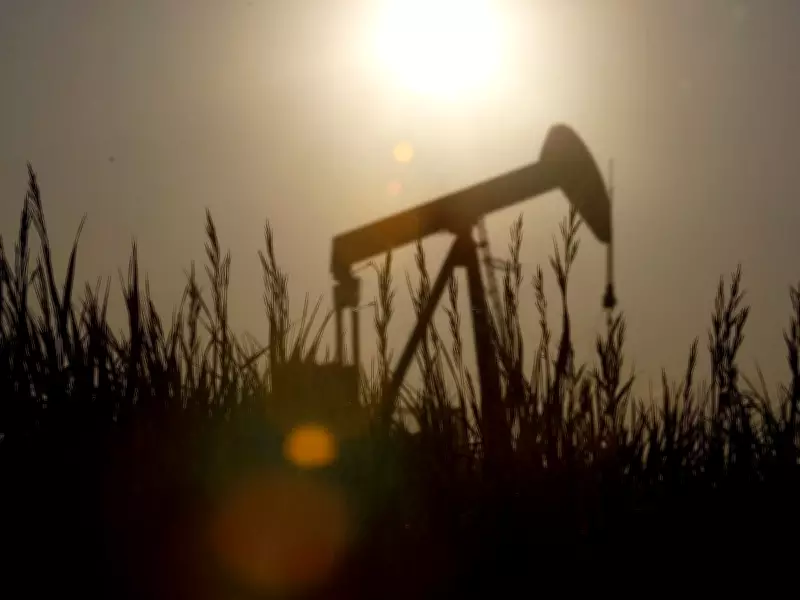
A long-standing global understanding that critical waterways like the Strait of Hormuz would remain open during conflicts has now been broken. This shift has triggered a geopolitical and economic crisis, underscoring the need for Canada to boost domestic production and diversify its exports. While the argument for Canada to play a larger role in supplying global needs has been made repeatedly, it has now become a strategic imperative.
Canada's Core Strengths
What does Canada do best? We mine, we extract, and we produce commodities that the world needs. It is time for Canada to fully embrace this role. Prior to the disruptions in the Strait of Hormuz, there was a global consensus on the right of free passage through natural waterways. However, similar threats are emerging in other economic passages, such as those in Yemen and Turkey, indicating that this could be a recurring issue.
In these challenging times, key Western Canadian industries are well-positioned to help alleviate some of the pressures. Canada's energy sector, in particular, has an opportunity to provide long-term relief as countries seek ways to manage trade disruptions. Two of Canada's long-standing allies, Australia and the United Kingdom, are facing serious impacts. The U.K. has contingency plans for fuel rationing, while Australia relies on Asia for roughly 70% of its refined fuel, much of which is shipped through the Strait of Hormuz.

Lessons from History
During times of uncertainty, some countries may expand trade, while others may pull back. In 1975, the United States imposed a ban on most crude oil exports that lasted until 2015. After the ban was lifted, exports jumped from approximately 500,000 barrels per day to the millions of barrels seen today. Global demand for crude will only increase if major oil-producing countries choose to restrict exports. Canada should be prepared to fill that gap for countries that rely on large-scale imports.
With 70% of Asia's crude oil coming through the Strait of Hormuz, the region would benefit from greater access to Canadian energy. Supply pressures are already leading countries to limit exports of oil and related products. For example, South Korea has temporarily banned naphtha exports to protect domestic supply. Naphtha, a refined product, is essential for making plastics, solvents, and some fuels.
A Reliable Supplier
For Asia, the U.K., Australia, and Europe, Canada can be a reliable and stable supplier of crude for refining that does not rely on the Strait of Hormuz or unpredictable regimes. However, if you cannot move it, you cannot sell it. To meet this need, Canada requires sufficient tidewater access to global markets. Canada cannot solve these problems overnight, but it can reduce vulnerability by ensuring its resources reach those who need them.
Energy is only part of the story. Strengthening domestic food production and food manufacturing would allow Canada to increase agricultural exports and produce more food at home, reducing reliance on imports. This would help stabilize costs for Canadian consumers and support food security abroad.