Gas Prices Soar to $1.70 per Litre in London, Ontario
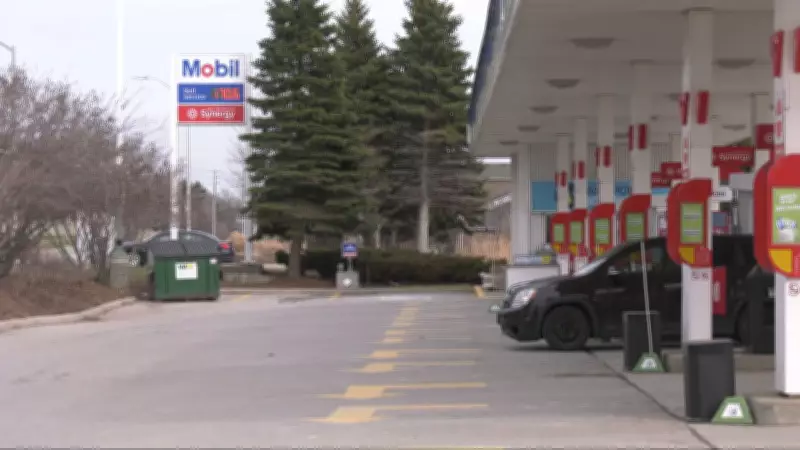
Motorists in London, Ontario are facing a sharp increase at the pumps, with gasoline prices reaching $1.70 per litre as of March 19, 2026. This significant spike has raised concerns among consumers and analysts alike, highlighting the ongoing volatility in fuel markets.
Economic Implications and Analyst Warnings
Industry analysts are cautioning that this surge in gas prices could have far-reaching effects. Some predict that prices in the Greater Toronto and Hamilton Area (GTHA) could potentially climb to $2 per litre, which would further strain household budgets. The increased cost of fuel is expected to turbocharge food prices, as transportation expenses rise across the supply chain. This development adds to existing inflationary pressures, compounding financial challenges for many residents.
Context and Broader Trends
The rise in gas prices in London reflects broader national and global trends. Oil prices have been fluctuating due to geopolitical tensions, including potential disruptions in key shipping routes like the Strait of Hormuz. Canada and its allies have expressed readiness to assist in maintaining the flow of oil, but uncertainties persist. Additionally, domestic factors such as provincial funding cuts to consumption sites, as noted by London's police chief, may indirectly influence local economic conditions, though the direct link to fuel costs is less clear.

Impact on Daily Life and Consumer Behavior
For London residents, the spike in gas prices translates to higher costs for commuting, goods, and services. This has prompted discussions on alternative strategies to mitigate expenses, such as adopting fuel-efficient driving habits or seeking loyalty programs at gas stations. The situation underscores the interconnectedness of energy costs with everyday living expenses, from groceries to transportation.
Looking Ahead
As spring begins, the focus on gas prices remains acute, with analysts monitoring market dynamics closely. While short-term fluctuations are common, the potential for sustained high prices poses challenges for economic stability. Consumers are advised to stay informed and consider budgeting adjustments to navigate this period of increased fuel costs.