Hormuz Strait Reopening Won't Instantly Stabilize Volatile Oil Markets, Expert Warns
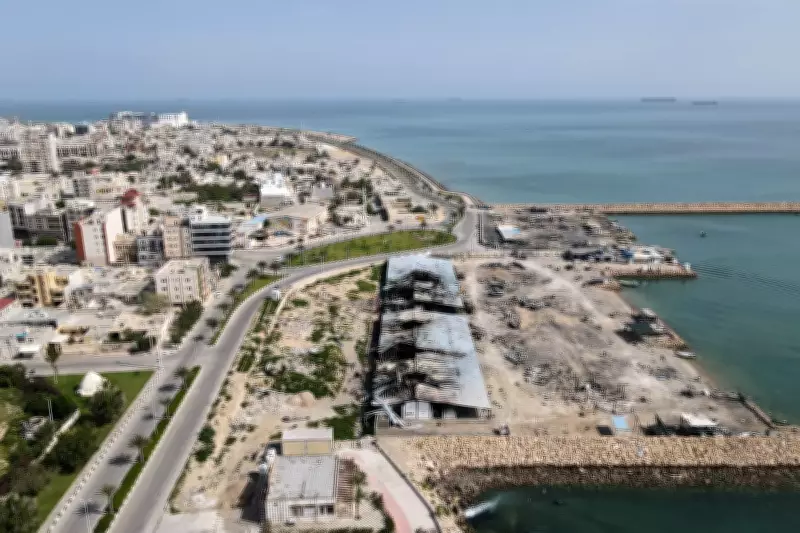
Reopening the Strait of Hormuz, a critical global oil chokepoint, is not as simple as "flipping a switch" to soothe rattled energy markets, according to a professor specializing in geopolitical and economic affairs. This warning comes amid ongoing tensions in the region, highlighted by recent airstrikes during the U.S.-Israel military campaign that have damaged infrastructure, such as a fishing pier on Iran's Qeshm island, as captured in AP photos from April 13, 2026.
Geopolitical Tensions and Market Volatility
The professor emphasizes that the recent military actions have exacerbated existing geopolitical risks, creating a complex scenario for oil markets. While the physical reopening of the strait might allow some oil shipments to resume, the underlying instability—including potential future conflicts and diplomatic standoffs—means markets will likely remain volatile. This volatility is driven by fears of supply disruptions, which can lead to price spikes and uncertainty for global economies reliant on stable energy sources.
Impact on Global Energy Prices
Oil prices have been sensitive to developments in the Strait of Hormuz, which handles about one-fifth of the world's oil supply. The professor notes that even if shipping lanes are cleared, the psychological impact of recent events will linger, influencing trader behavior and investment decisions. This could result in sustained higher prices or increased price swings, affecting everything from gasoline costs to industrial production worldwide.

Broader Economic Implications
Beyond immediate oil markets, the situation underscores broader economic challenges. The professor points out that prolonged instability in the region could hinder global trade flows, exacerbate inflation, and strain international relations. As countries navigate these uncertainties, policymakers and businesses must prepare for a "new normal" where energy security is increasingly fragile, requiring diversified supply strategies and enhanced diplomatic efforts to mitigate risks.
In summary, while reopening the Strait of Hormuz is a necessary step, it alone cannot quickly restore calm to oil markets. The professor's analysis suggests that a multifaceted approach, addressing both physical and geopolitical factors, is essential for long-term stability in the energy sector.