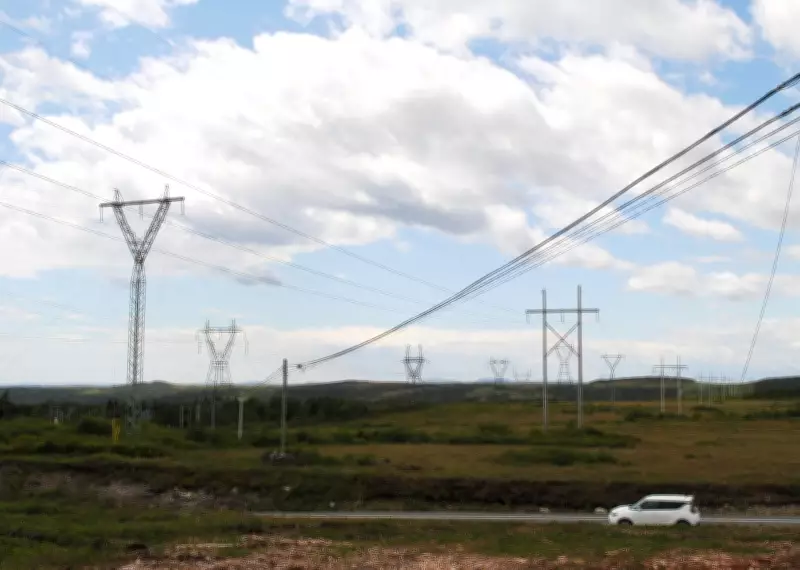
Hydrogen Energy Company Files for Creditor Protection After Provincial Land Revocation
A hydrogen energy development firm operating in Newfoundland and Labrador has sought creditor protection in the wake of the provincial government's announcement to reclaim Crown land allocated for its project. This move casts significant uncertainty over the future of the proposed hydrogen facility, which was intended to bolster the region's renewable energy sector.
Government Decision Triggers Financial Crisis
The company, which had been planning a major hydrogen production site, filed for protection under the Companies' Creditors Arrangement Act after the Newfoundland and Labrador government vowed to take back the Crown land. This land was crucial for the project's infrastructure, including potential electrolysis facilities and storage units. The provincial decision appears to stem from unmet development milestones or regulatory compliance issues, though specific details remain undisclosed.
This development highlights the fragile nature of large-scale energy projects that depend on government partnerships and land access. The creditor protection filing allows the company to restructure its debts and operations while attempting to negotiate with stakeholders, but it raises immediate concerns about job losses and investment in the local economy.

Implications for Renewable Energy in Atlantic Canada
The situation underscores broader challenges in advancing hydrogen as a clean energy alternative in Canada. Newfoundland and Labrador, with its abundant wind and hydro resources, has been viewed as a promising hub for green hydrogen production. However, this setback may deter other investors and delay regional climate goals.
Key factors in this case include:
- The company's inability to meet provincial conditions for land use.
- Potential financial mismanagement or funding shortfalls.
- The impact on local communities expecting economic benefits from the project.
- Broader implications for Canada's hydrogen strategy and renewable energy targets.
Industry analysts note that while hydrogen is a priority in the transition to net-zero emissions, projects require stable policy support and clear regulatory frameworks to succeed. The Newfoundland and Labrador government has not yet commented on whether alternative solutions or mediation are being considered to salvage the project.
Looking Ahead: Uncertain Future for Hydrogen Development
As the company navigates creditor protection, its ability to secure new financing or revise its plans remains in doubt. The provincial government's stance will be critical in determining whether the hydrogen initiative can be revived or if the land will be reallocated to other energy ventures.
This incident serves as a cautionary tale for renewable energy developers relying on public resources. It emphasizes the need for robust feasibility studies, transparent agreements, and contingency planning to mitigate risks associated with government policy changes.