Iran Conflict's Ripple Effects on Global Oil Markets and Canadian Economy
Oil market analysts are cautiously approaching predictions regarding the duration and impact of the ongoing military conflict in the Middle East, as geopolitical tensions between Iran, the United States, and Israel continue to unfold. The situation has created significant uncertainty in global energy markets, with particular attention focused on critical shipping routes.
Market Stabilization Amid Geopolitical Uncertainty
Oil prices showed signs of stabilization on Wednesday as the conflict entered its fifth day, though West Texas Intermediate crude oil prices have surged approximately 14 percent over the past week. Prices climbed from US$65.21 on February 26 to US$74.19 by Wednesday morning, reflecting market sensitivity to Middle Eastern developments.
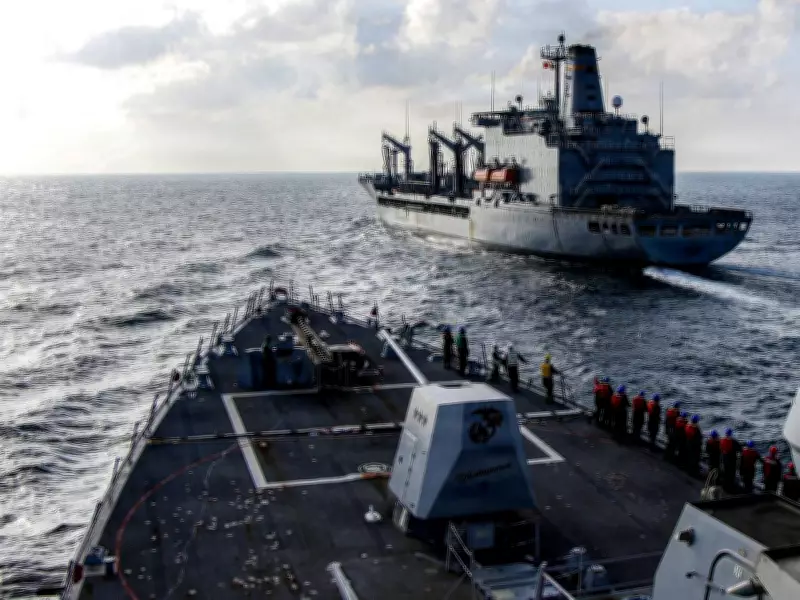
Former United States President Donald Trump's commitment to utilize the U.S. Navy for escorting oil tankers and providing necessary insurance has somewhat alleviated market concerns about prolonged oil supply disruptions. This military assurance has helped temper immediate panic, though analysts remain vigilant about potential escalation.

The Strategic Importance of the Strait of Hormuz
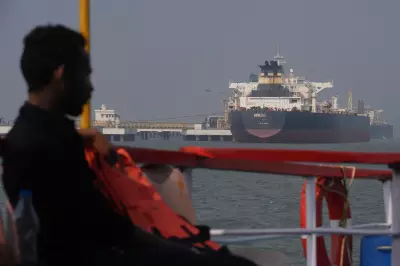
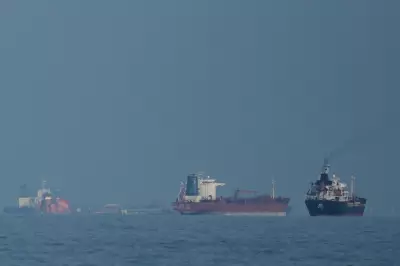
At the heart of market concerns lies the Strait of Hormuz, a narrow maritime passage that serves as the sole sea route from the Persian Gulf to open oceans. This critical waterway handles approximately 25 percent of global oil production, translating to about 20 million barrels daily that must traverse these waters to reach international markets.
Geographically positioned between Iran to the north and the United Arab Emirates and Oman to the south, the strait serves as the primary export channel for petroleum-rich nations including Bahrain, Iraq, Kuwait, Saudi Arabia, and Qatar. Recent reports indicate Iran's military has threatened to destroy vessels attempting passage through these contested waters.
Global Market Interconnections and Canadian Implications
While most oil passing through the Strait of Hormuz is destined for Asian markets—particularly China, India, Japan, and South Korea—the interconnected nature of global oil markets means price spikes in one region create cascading effects worldwide. These ripple effects inevitably reach North American markets, including Canada's energy sector.
Kevin Birn, chief analyst for Canadian oil markets at S&P Global Inc., explains that although Canadian oil production is considered highly secure, it will experience price increases as global oil prices rise. "It is going to buoy balance sheets, tax returns and royalties in the country through that period of time," Birn stated. "The impact really comes down to how transitory it is, how long this conflict lasts and how long that strait can remain closed."
Price Projections and Economic Forecasts
Brent crude oil, the dominant benchmark for Europe, Africa, and the Middle East, is particularly sensitive to geopolitical tensions affecting the Strait of Hormuz. The price spread between West Texas Intermediate and Brent has expanded to approximately US$8 per barrel, up from about US$5.50 just one week ago.
Birn suggests it is "not inconceivable" that Brent prices could surpass US$100 per barrel depending on conflict duration and shipping disruptions. Meanwhile, Bank of Montreal's chief economist Doug Porter acknowledges that while a spike above US$100 per barrel is possible and even likely, such increases would probably be short-lived.
Porter notes that West Texas Intermediate averaged slightly above US$60 per barrel over the past six months. He predicts a return to the mid-US$60 per barrel range by the fourth quarter, while raising his baseline price assumption for 2026 to US$69 per barrel from the previous US$60 per barrel estimate.
Geopolitical Calculations and Market Speculation
The future trajectory of oil markets hinges on complex geopolitical calculations that remain open to extensive speculation and debate. Analysts must consider multiple variables including military strategies, diplomatic negotiations, and regional alliances that could either escalate or de-escalate tensions in the coming weeks and months.

As global markets monitor developments in the Middle East, Canadian energy producers, policymakers, and consumers await clarity on how prolonged disruptions might affect domestic energy prices, export revenues, and broader economic stability. The interconnected nature of modern energy markets ensures that geopolitical events in distant regions continue to have tangible impacts on North American economies.