Iran Conflict's Energy Price Surge May Fund Russia's Ukraine War Effort
Escalating tensions in the Middle East, particularly the ongoing conflict involving Iran, are driving a significant increase in global energy prices. This surge could inadvertently provide Russia with a substantial financial boost, potentially enabling it to continue funding its military operations in Ukraine. Analysts are closely monitoring this development, as it highlights the interconnected nature of global conflicts and economic markets.
The Economic Dynamics at Play
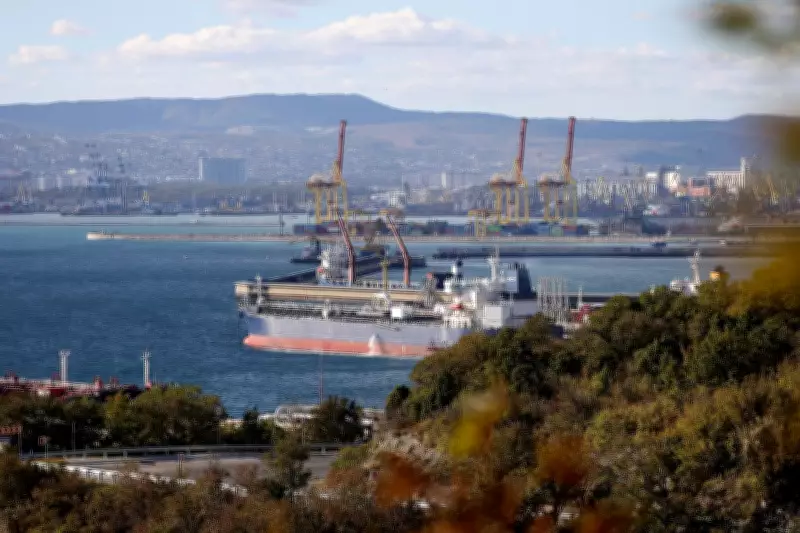
Russia, a major exporter of oil and natural gas, stands to benefit economically from higher energy prices. As the Iran conflict disrupts supply chains and creates uncertainty in the market, prices for crude oil and other energy commodities have risen sharply. This price increase translates into higher revenue for Russia, which relies heavily on energy exports to finance its government expenditures, including military activities.
Experts warn that this additional revenue could be used to sustain Russia's war effort in Ukraine, where it has been engaged in a prolonged conflict. The financial infusion from elevated energy prices might allow Russia to purchase more military equipment, pay soldiers, and support its industrial base, thereby prolonging the hostilities.

Global Implications and Concerns
The situation underscores the complex geopolitical landscape where conflicts in one region can have far-reaching effects elsewhere. The Iran war, while primarily a Middle Eastern issue, is now seen as a factor that could influence the outcome of the Ukraine conflict through economic channels. International observers are concerned that this could undermine efforts to isolate Russia economically and pressure it into seeking a peaceful resolution.
Furthermore, the rising energy prices are affecting global economies, leading to higher costs for consumers and businesses worldwide. This economic strain adds another layer of complexity to international relations, as countries grapple with balancing energy security, economic stability, and geopolitical interests.
Looking Ahead
As the Iran conflict continues, its impact on energy markets and, by extension, on Russia's financial capacity, will be closely watched. Policymakers and analysts are considering measures to mitigate these effects, such as diversifying energy sources or implementing sanctions that target Russia's energy revenue more effectively. However, the interconnected nature of global markets makes this a challenging task.
In conclusion, the rising energy prices resulting from the Iran war present a significant opportunity for Russia to bolster its finances and potentially extend its military campaign in Ukraine. This development highlights the need for a coordinated international response to address the economic dimensions of global conflicts and prevent them from fueling further instability.