WASHINGTON — The escalating conflict initiated by President Donald Trump in Iran is sending shockwaves through global oil markets, resulting in dramatic price swings that are inflating fuel expenses for consumers and businesses alike. This volatility poses a significant threat of triggering a larger crisis within the global economy, as political leaders grapple with the fallout.
Oil Market Turmoil and Political Responses
Oil prices surged to a peak of $119 per barrel on Monday, a sharp increase from the pre-war level of approximately $70. Although prices later retreated to under $90, the instability has raised alarms. Republican lawmakers on Capitol Hill are largely advising Americans to remain patient and disregard the fluctuations, asserting that the conflict will be too brief to inflict serious financial harm on consumers.
"I don’t know how anybody can be surprised. When you have a major conflict in the Middle East, prices always go up," Senator John Kennedy, a Republican from Louisiana, explained to HuffPost. "But it’s a delivery problem. The oil tankers can’t get through the Strait of Hormuz." He further emphasized, "I really don’t expect this to last long enough to have an ultimate impact on gas prices."

Impact on Consumers and Political Ramifications
However, many drivers may contest this optimistic view. According to AAA, the average price for a gallon of gasoline in the United States has skyrocketed by more than 21% in the past week, now averaging $3.47 per gallon. This figure starkly contrasts with President Trump's claim during his State of the Union address two weeks ago, where he stated gas prices are "$2.30 a gallon in most states, and in some places $1.99 a gallon."
Senator Rand Paul, a Republican from Kentucky and a vocal opponent of the war, warned that rising fuel costs could translate into electoral challenges for the GOP. "I think high oil prices will be a problem," he remarked on Fox Business, highlighting that the party is already contending with broader issues related to the high cost of living.
Trump's Statements and Market Reactions
Gasoline prices have been closely linked to President Trump's inconsistent statements regarding the war's timeline. Prices dropped on Monday after Trump told CBS News he believes "the war is very complete, very much." Yet, they rebounded sharply following a press conference at his Florida golf resort, where he vacillated multiple times, simultaneously insisting the war would end soon and continue until Iran agrees to unconditional surrender.
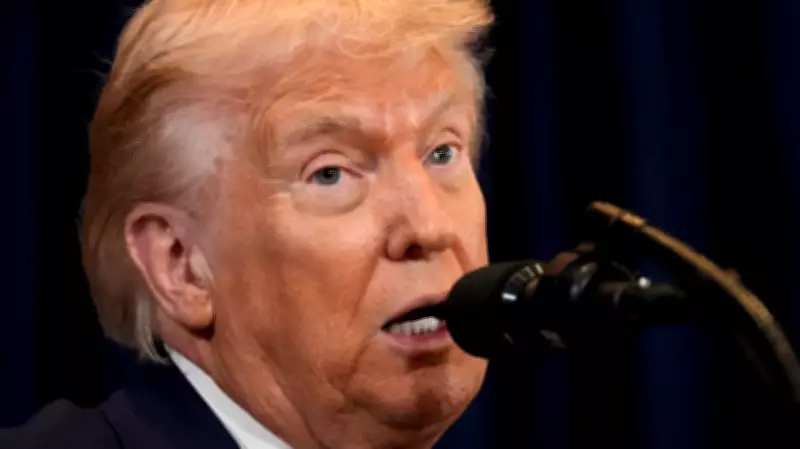
"We’ve already won in many ways, but we haven’t won enough. We go forward more determined than ever to achieve ultimate victory that will end this long-running danger, once and for all," Trump declared to reporters in Doral. He downplayed the oil price increases, attributing them to what he termed the Iran "excursion," and stated, "I knew oil prices would go up if I did this."
Strait of Hormuz Crisis and Global Concerns
A critical factor exacerbating the situation is the severe shipping crisis in the Strait of Hormuz, where Iran has effectively closed this major maritime route. Saudi Aramco, the world's largest oil exporter, has issued a stark warning of "catastrophic consequences" if the strait remains blocked.
Senator Steve Daines, a Republican from Montana, commented on the gas price volatility, saying, "It’s going to be probably volatile over a period of time. But I think what’s going to be key is ensuring we can get safe access to the Strait of Hormuz. There’s about 20% of the world’s oil that goes through that, 80% of which goes primarily to Asian markets. So the president’s team is very aware of that."
Senator Josh Hawley, a Republican from Missouri, acknowledged the potential difficulties for the Trump administration, noting, "I know the White House is taking the increase in oil prices and gas prices very seriously, and, you know, that’s a good thing. Obviously, that’s tough for people to bear over time, and so I’m sure they’ll have a plan for it."

Democratic Criticism and Broader Economic Effects
In contrast, Democrats have placed blame squarely on President Trump's management of the Iran war, arguing it compounds economic hardships for Americans, already strained by tariffs on various consumer goods. Senate Minority Leader Chuck Schumer, a Democrat from New York, emphasized in a floor speech, "When oil prices spike like this, it ripples across the entire economy. Airline tickets, shipping costs, everyday goods go up, up, up in price. Inflation was already on the rise, and Trump’s war just made it much, much worse."
California Governor Gavin Newsom, a Democrat and potential 2028 presidential candidate, criticized Trump for minimizing the gas price surge after initiating conflict in the oil-rich Middle East. He referenced Trump's earlier comments labeling rising oil prices as a "small price to pay" and suggesting concerned individuals are "fools." Newsom wrote online, "Taking a victory lap on 'LOWEST EVER' gas prices, then calling Americans 'FOOLS' for worrying about his war with Iran raising prices? Donald Trump is a con man with no plan and failing the American people."