Japan and Canada Forge Stronger Energy and Defense Ties During Carney's Tokyo Visit
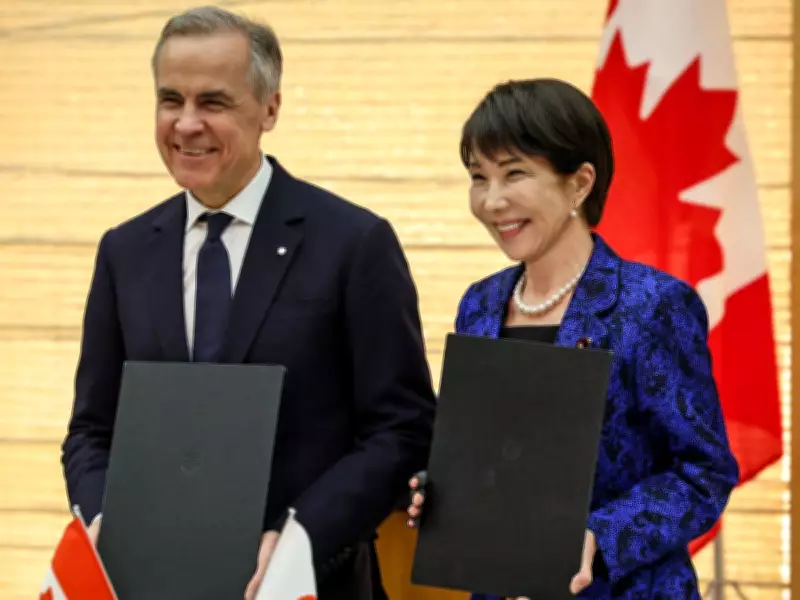
Prime Minister Mark Carney of Canada and Japanese Prime Minister Sanae Takaichi have committed to significantly expanding energy trade and military cooperation during high-level meetings in Tokyo. The discussions, held on March 6, 2026, resulted in several key agreements aimed at strengthening bilateral relations between the two nations.
Expanding Energy Partnerships
The leaders unveiled a series of agreements focused on energy collaboration, with Canada pledging to increase exports of liquefied natural gas (LNG) and liquefied petroleum gas to Japan. Carney announced ambitious goals for Canada to double its LNG exports by the end of this decade, with plans to double them again by the end of the following decade.
"Canada is in a position where we can double our LNG exports by the end of this decade, and double again by the end of the following decade," said Carney during the signing ceremony.

Takaichi highlighted the LNG Canada export terminal on Canada's west coast as a successful example of existing energy cooperation. The facility, which began shipments last year and features Japanese investment from Mitsubishi Corp., is considering a major expansion that would double its output capacity.
"Canada's wealth of resources and Japan's technology complement each other and there are many ongoing projects that firms from both of our countries are pushing forward," Takaichi emphasized.
Defense and Security Cooperation
The agreements extended beyond energy to include significant defense and security components. Both nations committed to:
- Joint action against illegal fishing in the North Pacific
- Expanded navy training exercises
- Close cooperation on cybersecurity measures
- Enhanced information sharing and technology transfer
Takaichi stated that the defense cooperation would build upon existing legal frameworks and contribute to regional stability.
"We agreed to further strengthen our defense and security cooperation, including through expanding the scope of our joint military exercises," Takaichi said. "This will contribute greatly towards the building of a resilient Indo-Pacific."
Strategic Timing and Future Plans
The meetings occurred during a volatile period for global energy markets, with the war in Iran disrupting significant oil and gas exports from the region. This context added urgency to discussions about diversifying energy supplies and strengthening international partnerships.
Carney announced plans for a major trade mission to Japan later in 2026 and revealed he would meet with executives from some of Japan's most important companies before concluding his visit. The Canadian leader's trip to Japan marked the final stop on an extensive international tour that included visits to India and Australia.
Historical Context and Personal Connections
The diplomatic discussions took place as Japan and Canada approach the centennial of their diplomatic relations in 2028. Takaichi noted that relations between the two countries are currently closer than ever.
"As we look forward to the historical milestone, I look forward to joining forces with Mark in opening up this new chapter in Japan-Canada relations," she stated.
During the public remarks, Carney surprised attendees by speaking several sentences in Japanese, a language he learned decades ago while living in Tokyo as a banker with Goldman Sachs. Takaichi appeared visibly impressed by the gesture, which highlighted the personal connections underpinning the formal diplomatic discussions.
The agreements represent a significant step forward in Japan-Canada relations, combining energy security with defense cooperation at a time of global uncertainty. Both leaders expressed optimism about the future of their bilateral partnership and its potential to contribute to regional stability and economic growth.