Japan to Release 80 Million Barrels from Strategic Oil Reserves
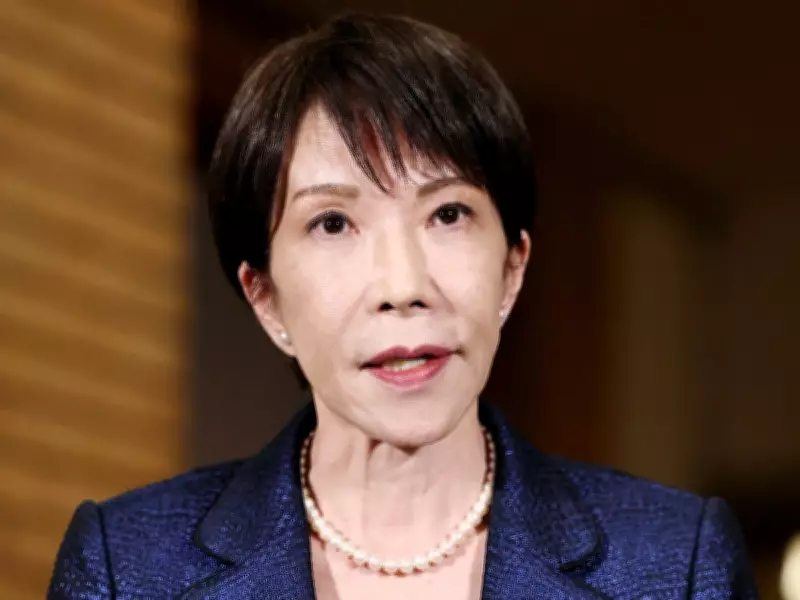
Japan has announced it will release 80 million barrels of oil from its strategic reserves as the nation and other major energy importers grapple with the economic fallout from the ongoing war in the Middle East. Prime Minister Sanae Takaichi confirmed the unilateral move during a press conference at the Prime Minister's Official Residence in Tokyo on March 11, 2026.
Addressing Global Energy Market Disruption
The decision comes as governments worldwide seek to contain a surge in energy prices driven by the Middle East conflict. The hostilities have severely disrupted the vital Strait of Hormuz, through which approximately one-fifth of the world's oil supply normally passes. This strategic chokepoint has become increasingly congested and dangerous, threatening global energy security.
"Amid growing domestic anxiety, Prime Minister Takaichi has decided to make a proactive move," said Harumi Taguchi, principal economist at S&P Global Market Intelligence. "A reduction in crude oil supply would negatively impact the economy not only in terms of price, but also from the perspective of supply shortages."

Coordinated International Response
Japan's announcement preceded an agreement by the International Energy Agency to release a record 400 million barrels from emergency oil reserves collectively. While Japan welcomed the IEA's decision in an official statement, the government did not specify how its unilateral release would be coordinated with the broader international effort.
"This collective release demonstrates the determination of the IEA member countries to act in solidarity to ensure a stable supply of energy, which underpins people's daily lives, and to stabilize the market," the Japanese statement declared.
Implementation Details and Economic Implications
According to Prime Minister Takaichi, Japan will release the equivalent of 15 days of its oil consumption needs from private sector stocks, plus one month's worth from national reserves. The release is scheduled to begin as early as March 16, 2026, with additional measures planned for later in the month.
The Japanese trade ministry has projected that oil shipments from the Middle East will drop significantly starting March 20. In response, the government will also provide subsidies for petroleum products to help mitigate the economic impact on consumers and businesses.
Japan's Energy Vulnerability and Strategic Position
As a resource-scarce nation, Japan remains particularly vulnerable to disruptions in global energy flows. While the country maintains strategic oil stockpiles equivalent to 254 days of total consumption, prolonged hostilities in the Middle East and continued shipping difficulties in the Strait of Hormuz could rapidly erode these reserves.
Elevated oil prices present significant economic risks for Japan, potentially pushing the economy toward stagflation and complicating the Bank of Japan's efforts to normalize monetary policy through gradual interest rate hikes. The situation also threatens to derail Prime Minister Takaichi's broader plans to tackle inflation through fiscal measures.
Japan does maintain access rights to oil stockpiles held by Middle Eastern producers during emergencies, providing an additional layer of energy security. However, the current crisis underscores the nation's dependence on stable global energy markets and the importance of coordinated international responses to supply disruptions.