Government Finally Admits LNG Export Potential After Years of Contradiction
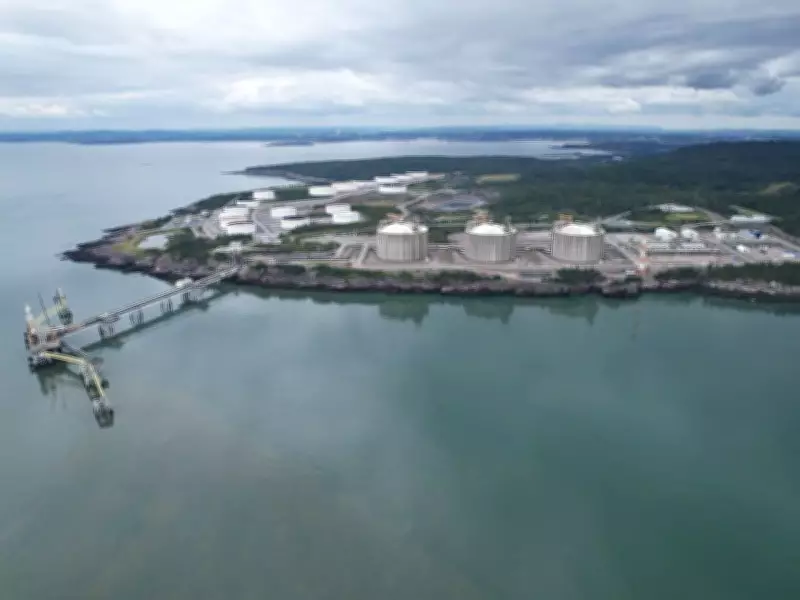
In a striking reversal of long-standing government positions, Energy and Natural Resources Minister Tim Hodgson has publicly acknowledged that Canada's allies in Asia and Europe are actively seeking to purchase liquefied natural gas directly from Canadian sources. This admission comes after years of federal officials dismissing the economic viability of LNG exports, creating what critics describe as a pattern of misleading statements about Canada's energy capabilities.
International Demand Creates New Opportunities
The minister's comments follow significant disruptions to global energy markets, particularly Qatar's declaration of force majeure on several European contracts after a ballistic missile strike reduced production capacity at the Ras Laffan facility by seventeen percent for three to five years. With Europe desperately seeking alternatives to Russian gas and now facing shortages from Qatar, the window for Canadian LNG exports has widened considerably.
"We are hearing directly from our allies in Asia, our allies in Europe, that they want to buy gas directly from us," Minister Hodgson stated in a recent interview, marking a dramatic shift from previous government messaging that insisted no legitimate business case existed for Canadian LNG development.

Historical Context of Government Opposition
This new position stands in stark contrast to Prime Minister Justin Trudeau's 2022 declaration that there was "No business case for LNG" when standing beside German Chancellor Olaf Scholz, who had traveled to Canada specifically seeking energy partnerships. Mere months after this dismissal, Germany proceeded to sign a fifteen-year agreement with Qatar for the very resource Canada had deemed economically unviable.
The pattern of contradictory statements extends beyond the prime minister's office. Former Environment Minister Steven Guilbeault maintained as recently as May 2025 that Canada required no new pipelines and that the Trans Mountain pipeline operated at less than half capacity. Yet earlier this month, Trans Mountain solicited bids to increase capacity by over three hundred thousand barrels daily due to overwhelming demand.
Broader Implications for Energy Policy
The delayed recognition of LNG's economic potential represents what industry observers characterize as the culmination of Canada's "unbelievably myopic and shortsighted energy development policy." While European nations explicitly prefer dealing with democratic allies like Canada over countries with questionable human rights records, Canadian leadership failed to capitalize on this geopolitical advantage for years.
Minister Hodgson's acknowledgment, while refreshing to proponents of Canadian energy development, arrives years later than optimal. The belated public confirmation of what industry experts have advocated for years diminishes the immediate value of the opportunity, as global markets have already adjusted to alternative arrangements during Canada's period of hesitation.
This development highlights the persistent disconnect between political rhetoric and global energy realities, with demand consistently outpacing official projections and policy decisions. As international allies actively seek Canadian resources, the government's evolving position on LNG exports signals a potential recalibration of energy strategy amid changing geopolitical and economic circumstances.