Maritime Gas Prices Experience Sharp Overnight Increase
Residents across Canada's Maritime provinces woke up to a significant and unexpected jump in gasoline prices on Tuesday morning. The overnight surge has placed additional strain on household budgets already grappling with broader economic pressures.
In Halifax, a key urban center in the region, the price at the pump rose noticeably, catching many morning commuters by surprise. The increase was observed at numerous stations throughout the city and surrounding areas, marking one of the more substantial single-day price movements in recent months.
Context of Rising Fuel Costs
This Maritime price spike occurs against a backdrop of volatile global energy markets. On the same day, international oil prices jumped 4.7 percent, settling at their highest level since January 2025. Analysts attribute this surge primarily to escalating conflict in the Middle East, which has heightened concerns over supply disruptions.

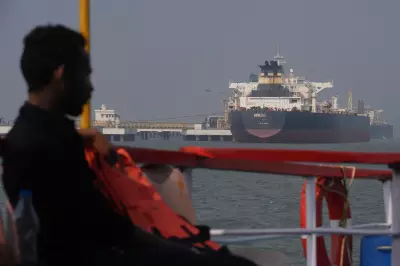
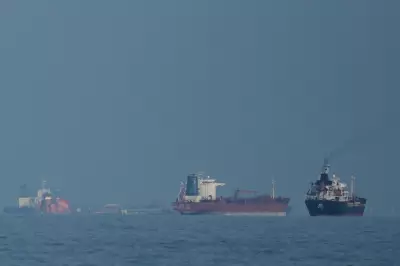
The Strait of Hormuz, a critical maritime chokepoint for global oil shipments, has become a focal point of tension. Any instability in this region typically has an immediate ripple effect on fuel prices worldwide, including at Canadian pumps.
Broader Economic and Consumer Impact
The sudden increase in fuel costs adds another layer of financial pressure for Maritime consumers. Many are already contending with:
- High inflation affecting grocery and housing costs
- Concerns over crumbling infrastructure, including roads damaged by extreme weather
- A general sense of economic uncertainty reflected in recent market downturns
"It's not just about the immediate cost at the pump," said one Halifax resident, echoing sentiments heard in other provinces regarding various rate hikes. "These increases affect everything from transportation for work to the cost of goods being delivered to stores."
Regional and National Energy Landscape
While the Maritimes felt this particular price shock, energy issues are being debated across the country. In Ontario, discussions continue about the economic impact of policy decisions on local industries, while in British Columbia, the provincial government is navigating the complexities of energy-related time changes.
Meanwhile, the federal government has recently announced support for renewable energy agreements, highlighting the ongoing national conversation about transitioning to greener alternatives amidst traditional fuel price volatility.
The overnight gas price increase serves as a stark reminder of how interconnected global events and local economies truly are. For Maritime drivers, it means tightening budgets and hoping for stabilization in the turbulent energy markets that directly influence their daily lives and expenses.