Maritime Power Grid Successfully Navigates Extreme Cold Snap
Atlantic Canada's power utilities have successfully managed to avoid implementing rolling blackouts during a severe cold snap that brought record-breaking low temperatures to the region over the weekend. Despite surging electricity demand as residents cranked up their heating systems, the grid remained stable throughout what utility officials described as a "touch and go" situation.
Critical Infrastructure Tested by Arctic Conditions
The extreme weather event pushed the region's power infrastructure to its limits as temperatures plummeted to near-record lows across Nova Scotia, New Brunswick, and Prince Edward Island. Utility companies had prepared emergency protocols in anticipation of potential strain on the electrical grid, but ultimately managed to maintain service without resorting to controlled outages.
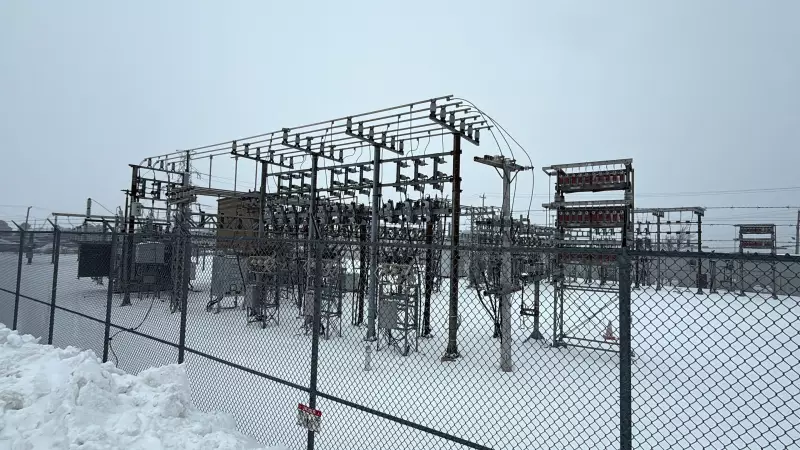
Nova Scotia Power, the province's primary electricity provider, reported that their substations and transmission lines operated at near-capacity levels throughout the coldest periods. The utility had additional crews on standby and implemented demand management strategies to balance the electrical load across the system.

Preventive Measures and Public Cooperation
Utility officials credit several factors for avoiding service interruptions:
- Proactive communication with customers about energy conservation during peak hours
- Strategic management of industrial and commercial power usage
- Enhanced monitoring of transmission infrastructure in vulnerable areas
- Coordination between provincial utilities to share resources if needed
The successful management of this extreme weather event comes as climate scientists warn that such cold snaps may become more frequent and intense due to changing weather patterns. Utility companies across Atlantic Canada are now reviewing their response to identify areas for improvement in future extreme weather scenarios.
Regional Impact and Future Preparedness
While the power grid remained stable, the extreme cold did impact other aspects of regional infrastructure. Municipal services reported increased demand for emergency shelters, and transportation networks experienced delays and cancellations. Public health officials issued warnings about frostbite risks and encouraged vulnerable populations to take extra precautions.
The incident has renewed discussions about grid resilience and energy security in Atlantic Canada. Utility regulators are expected to examine the performance of the electrical system during this stress test and consider recommendations for infrastructure investments that could better prepare the region for future extreme weather events.