Metro Vancouver Gas Prices Continue Sharp Rise, Analysts Warn of Further Increases
Motorists across Metro Vancouver are starting the week grappling with another significant spike in gasoline prices, marking a troubling trend that shows no signs of abating. Industry analysts are cautioning that further increases are likely in the coming days, compounding financial pressures for commuters and businesses alike.
Escalating Costs at the Pump
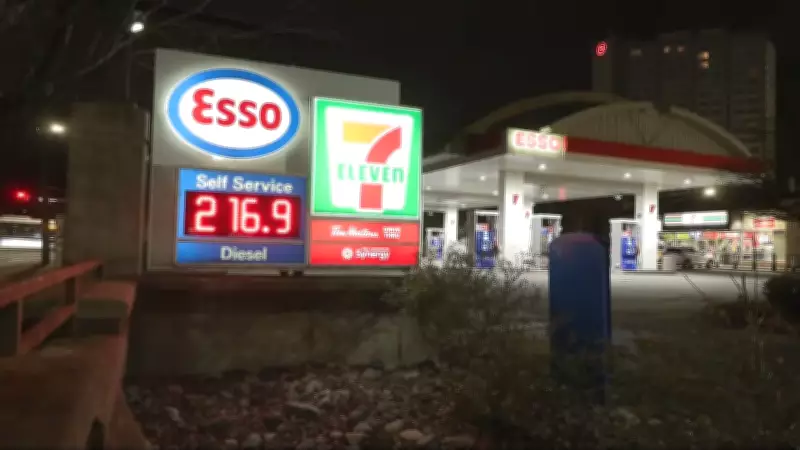
The latest surge follows a pattern of volatile fuel pricing that has characterized the region's market in recent months. Drivers are reporting noticeable jumps at local stations, with some areas experiencing increases of several cents per liter overnight. This persistent upward trajectory is creating substantial burdens for households and commercial operators dependent on personal vehicles.
Economic analysts attribute the rising costs to a combination of factors, including global oil market fluctuations, regional supply chain constraints, and seasonal demand shifts. The situation is particularly acute in Metro Vancouver, where transportation expenses already represent a significant portion of monthly budgets for many residents.

Broader Implications for Consumers and Economy
The escalating fuel prices extend beyond simple inconvenience, carrying profound implications for the local economy. Individuals who rely on their vehicles for work face diminished take-home earnings as operating expenses climb. Small business owners, especially those in delivery and transportation sectors, are confronting squeezed profit margins that may necessitate price adjustments for services.
This development occurs against a backdrop of broader economic challenges, including inflationary pressures affecting various consumer goods. The cumulative effect threatens to reduce disposable income and potentially slow economic activity within the region.
Expert Projections and Regional Context
Energy market specialists monitoring the situation suggest that current conditions favor continued price elevation. While specific forecasts vary, the consensus indicates that relief remains unlikely in the immediate future. Regional comparisons reveal that Metro Vancouver's fuel costs frequently exceed national averages, exacerbating the impact on local drivers.
The phenomenon is not isolated to British Columbia, with other Canadian provinces also experiencing fuel price volatility. However, the concentration of population and transportation needs in Metro Vancouver magnifies the consequences of these market movements.
Potential Responses and Adaptation Strategies
In response to the challenging environment, some commuters are exploring alternatives to mitigate expenses:
- Increased utilization of public transit where available
- Carpooling arrangements to distribute fuel costs
- Strategic trip planning to consolidate errands and reduce mileage
- Consideration of fuel-efficient vehicle options for future purchases
Businesses are similarly adjusting operations, with some implementing fuel surcharges or optimizing delivery routes to conserve resources. These adaptations, while helpful, represent partial solutions to a systemic challenge that requires broader market stabilization.
The ongoing situation underscores the interconnected nature of energy markets, transportation infrastructure, and economic wellbeing. As analysts continue to monitor developments, Metro Vancouver residents brace for what may become an extended period of elevated transportation costs.