Middle East Conflict Triggers Sharp Rise in Canadian Gasoline Prices
Gasoline prices have experienced a significant and rapid increase across various regions of Canada, directly linked to the escalating military conflict in the Middle East. The geopolitical instability, particularly involving Iran and broader regional tensions, has disrupted global oil markets, leading to immediate repercussions for Canadian consumers at the pump.
Geopolitical Instability and Market Volatility
The recent military escalations, including targeted strikes and expanded campaigns, have created substantial uncertainty in global energy supply chains. This volatility has caused benchmark oil prices to spike, which traditionally translates to higher costs for refined petroleum products like gasoline within a matter of days. Analysts note that such geopolitical shocks often lead to rapid price adjustments as markets react to perceived threats to oil production and transportation routes.
Immediate Impact on Canadian Provinces
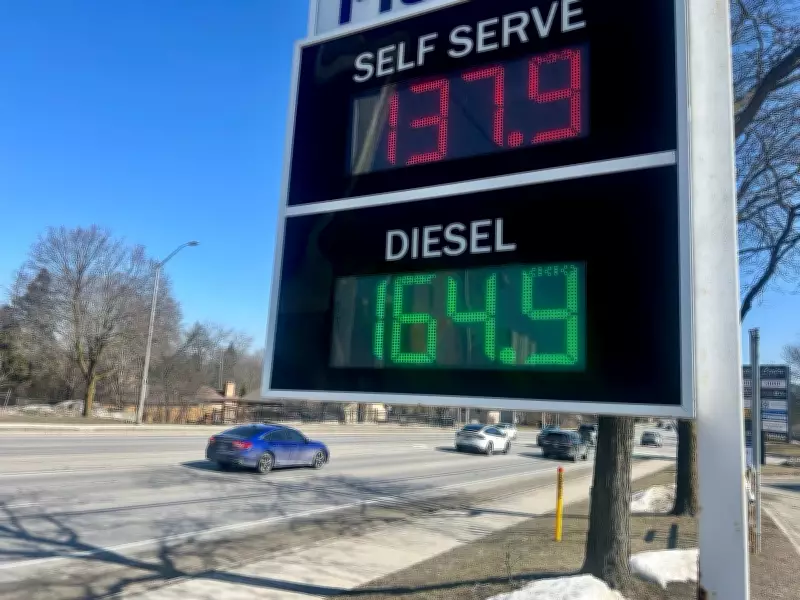
Reports indicate that drivers in several provinces are already facing noticeably higher fuel costs. The price surge is not uniform but is particularly acute in regions with specific supply dependencies or lower fuel reserves. This sudden increase places additional financial strain on households and businesses, especially those in transportation, logistics, and sectors reliant on vehicular travel.

Beyond the direct cost to consumers, economists warn of broader economic consequences. Higher transportation costs can lead to increased prices for goods and services across the board, contributing to inflationary pressures. The situation underscores Canada's connection to global energy markets and its vulnerability to international geopolitical events.
Expert Analysis and Future Projections
Energy market analysts suggest that the duration and severity of this price surge will depend heavily on the trajectory of the Middle East conflict. If tensions de-escalate quickly, prices may stabilize. However, a prolonged or intensified conflict could lead to sustained higher fuel costs, potentially lasting for weeks or even months. Some experts are also examining the potential for increased domestic production or strategic reserve releases to mitigate the impact, though these are longer-term considerations.
Consumers are advised to monitor local price trends and consider adjusting travel plans where feasible to manage the increased expense.The intertwining of international conflict and domestic economic conditions highlights the complex nature of global energy interdependence. As events continue to unfold in the Middle East, Canadian authorities and market watchers will be closely observing the situation for further developments affecting energy affordability and economic stability nationwide.