New Pipeline Proposal Could Revive Keystone XL Infrastructure, Boost Oil Exports
Canada could be looking at a significant expansion of its pipeline capacity into the United States, with a new proposal that would utilize existing infrastructure from the previously stalled Keystone XL project. The plan, which is still awaiting approval from U.S. authorities, would increase Canada's oil export capacity by approximately 550,000 barrels per day.
Project Details and Infrastructure
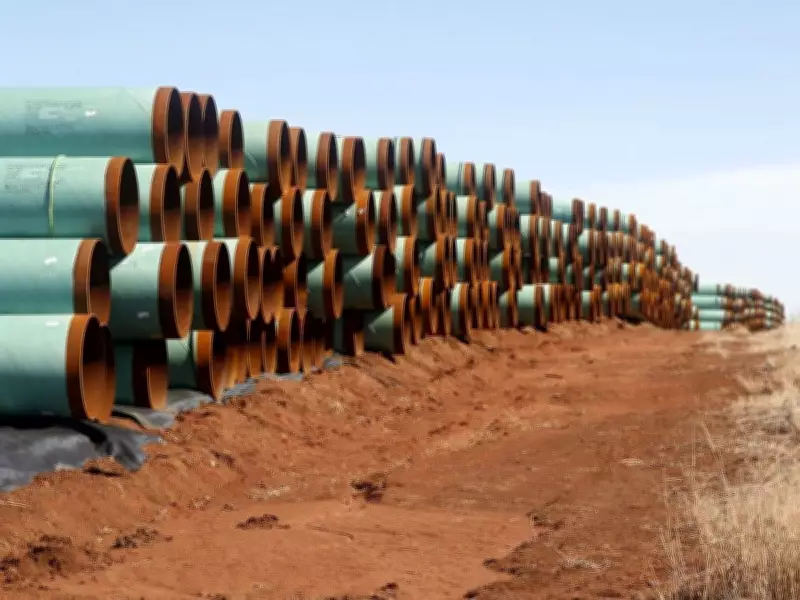
The proposed project would involve using the existing Canadian infrastructure from the Keystone XL project, which was never completed, and constructing a new 1,038-kilometer pipeline through Montana and Wyoming. This new pipeline would primarily run along existing rights of way that already host other infrastructure, potentially streamlining the approval process and accelerating construction timelines.
The existing Keystone XL infrastructure is owned by South Bow Corporation of Calgary, a company that was spun off from TC Energy in 2024. The plan involves resurrecting the Canadian leg of the Keystone XL project and connecting it to Bridger Pipeline's network at a border-crossing point in Phillips County, Montana, located approximately 150 kilometers south of Swift Current, Saskatchewan.

Political Context and Support
The Keystone XL project has been a political football for nearly two decades. Initially proposed by TransCanada Pipeline (now TC Energy), it received strong support from the Stephen Harper government in Canada but faced numerous obstacles in the United States. President Barack Obama blocked the project in 2015, President Donald Trump approved it in 2017, and President Joe Biden ultimately cancelled it in 2021.
Recent developments indicate potential support for the new proposal from key political figures. According to reports, Prime Minister Mark Carney raised the issue with former President Trump during a meeting at the White House in October, and Trump was already aware that South Bow was seeking an American partner to revive portions of the Keystone XL project. Trump has previously expressed support for reviving Keystone XL and granted a similar crossing permit to South Bow last summer for a project linking North Dakota to Manitoba.
Impact on Oil Exports and Economy
The addition of 550,000 barrels of oil per day to Canada's export capacity would represent an increase of about 8% over the current 4.5 million barrels of Canadian oil shipped to the United States daily. This expansion comes at a time when Canada has been working to overcome policy challenges that have made exporting natural resources more difficult.
Alberta Premier Danielle Smith has expressed support for the project, welcoming the idea of increased production. The proposal is seen as welcome news for Canada's energy sector, which has faced years of regulatory hurdles and political opposition.
Relationship to Other Pipeline Projects
It's important to note that this revived Keystone XL project would not impact the push for a pipeline to the British Columbia coast, which was part of a memorandum of understanding between Alberta and the federal government. That agreement specifically focused on exporting to markets other than the United States, with plans to enable bitumen export from a strategic deep-water port to Asian markets.
The memorandum also outlined plans to expand the Trans Mountain pipeline's capacity by 300,000-400,000 barrels per day for export to Asian markets, indicating a broader strategy for diversifying Canada's energy export destinations.
Challenges and Next Steps
While the project shows promise, it still faces significant hurdles. The proposal requires approval from U.S. regulatory bodies, particularly the Montana Department of Environmental Quality, where Bridger Pipeline has already submitted an application. There may also be opposition within Canada's political landscape, including potential resistance from some members of the Liberal caucus and even within Prime Minister Carney's cabinet.

The project represents a potential shift in Canada's energy policy, with indications that the current government may be willing to compromise on certain environmental ideals to support economic growth. However, the proposal is still in its early stages, and there is a long road ahead before any construction can begin or oil can flow through the revived infrastructure.