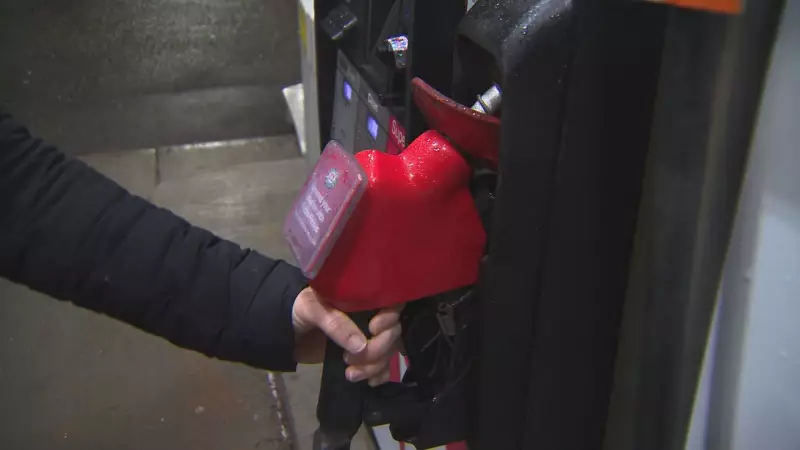
Drivers in Atlantic Canada received a small reprieve as the new year began, with gasoline prices holding steady in Nova Scotia and Prince Edward Island. The lack of movement at the pumps was noted on Friday, January 2, 2026, providing a moment of stability for consumers.
Stability at the Start of 2026
The price freeze comes after a period of typical volatility in the energy market. While many Canadians were focused on New Year's celebrations and resolutions, the cost to fill up a vehicle remained unchanged in these two provinces. This static pricing offers a brief pause for households budgeting in the post-holiday season.
The situation was observed in communities like Elmsdale, Nova Scotia, where drivers continued their routines without the immediate pressure of rising fuel costs. The consistency is a notable data point for regional economists and consumers alike, who monitor these expenses closely as a key part of the cost of living.

Broader Context of Canadian Energy
This regional price stability exists within a complex national and international energy landscape. Factors influencing fuel costs in Canada often include global crude oil prices, refinery production levels, local taxes, and seasonal demand fluctuations. The steady prices in Nova Scotia and P.E.I. contrast with other economic shifts happening across the country as 2026 gets underway.
Other news at the start of the year includes significant policy changes, such as the end of remote work options for thousands of public and private sector workers, and the introduction of new laws and regulations. These broader economic conditions can indirectly influence consumer spending and transportation patterns, which in turn affect fuel demand.
What's Next for Fuel Costs?
While the current snapshot shows no change, energy analysts caution that gas prices are inherently dynamic. The price recorded on January 2, 2026, represents a single point in time, and market conditions can shift rapidly due to geopolitical events, supply chain adjustments, or changes in provincial taxation or carbon pricing policies.
For now, motorists in Nova Scotia and Prince Edward Island can enjoy the certainty of unchanged rates. However, they are advised to stay informed through official channels and reputable news sources for the latest updates, as the situation at the pumps is subject to change with little notice. Monitoring weekly price adjustment cycles, typically influenced by wholesale market trends, remains the best practice for budgeting fuel expenses.